New LPG Tank vs. Palit-Tangke Exchange: Which Is Actually Sulit in the Philippines? (2026 Guide)
Sulit verdict: Skip the new tank if you can. A brand-new 11kg cylinder means paying for the steel plus the gas, on top of a refundable deposit — palit-tangke (exchange) only charges you for the gas, every time, for as long as you own a tank. The real risk isn’t refill vs. exchange, though. It’s where you exchange: an unlicensed sari-sari stall running a roadside “refill” past its safety seal is how tampered and underfilled tanks make it into Filipino kitchens.
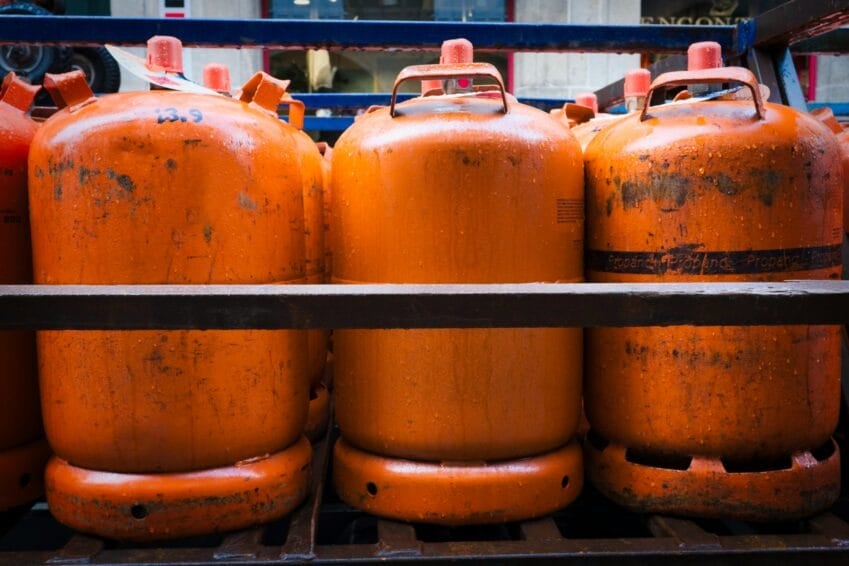
Almost every Filipino household buys LPG the same way: you don’t top up your own tank at a pump like a car at a gas station. You hand over your empty cylinder and get a full one in return — palit-tangke. The brand still owns the actual steel tank; you’re only ever paying for what’s inside it after the first purchase. That system works well when it’s done through an authorized dealer. It gets dangerous when it isn’t, and as of September 2026, the government’s own rulebook on how far that “swap any brand, anywhere” freedom is supposed to go still isn’t finished — which is exactly why this decision deserves more than five seconds of thought at the checkout counter.
How LPG Buying Actually Works in the Philippines
There are really three ways this plays out for a household, and they’re not interchangeable:
| Method | What You’re Paying For | Best For |
|---|---|---|
| New tank purchase (supermarket, hardware store, authorized dealer) | A refundable cylinder deposit + the first fill of gas | First-time buyers, new apartments, no tank to exchange yet |
| Palit-tangke (exchange) | Only the gas — you hand over your empty tank and get a full one | Anyone who already owns a tank; this is the normal repeat purchase |
| Home delivery (Solane Hatid Bahay, Regasco hotline, and similar brand services) | The gas, sometimes a small delivery fee | Households without easy transport to a dealer, bulk or scheduled orders |
What most people call “refilling” your own tank the way you’d refill a propane tank abroad isn’t really how this works here for ordinary households — and that’s by design. Under Republic Act No. 11592, the LPG Industry Regulation Act of 2021, actual refilling is only supposed to happen inside a licensed refilling plant, under the brand owner’s authorization, with the cylinder’s safety seal and pressure certification intact. A stall pumping gas into your tank on the sidewalk, seal broken, isn’t offering you a discount. It’s operating outside that system entirely.
New Tank vs. Palit-Tangke: The Real Cost Comparison
The Department of Energy’s own LPG price monitoring — cited by fact-checkers debunking a viral ₱5,000-per-tank hoax earlier this year — put an 11kg cylinder at ₱825 to ₱1,135 in Metro Manila as of March 1, 2026, depending on brand and retailer. That range moves with global oil prices: Regasco, for one, raised its rates by ₱4 per kilo effective September 21, 2026, after DOE approval, citing higher international LPG costs tied to Middle East supply disruptions. Expect the number on the sticker to shift month to month — the range itself is the useful part, not a fixed peso figure.
Here’s the part that actually matters for your wallet: that price band is what you pay every single time once you’re in the exchange system. A brand-new tank costs more on day one only because you’re also fronting a refundable cylinder deposit — the amount varies by brand and retailer and is disclosed at the point of sale, not standardized nationwide. Once that tank is yours, every future palit-tangke exchange costs the same as anyone else’s: just the gas.
Sulit Tip: If two households split rent and only one of you owns an LPG tank, buying a second tank from day one is rarely worth it. The deposit sits idle as dead capital. Share the one tank and split the gas cost per exchange instead — you’ll come out ahead unless your cooking volume genuinely needs two tanks running at once.
The Brand-Swap Problem Nobody’s Told You About
RA 11592 was written to give consumers a specific right: the freedom to exchange or swap an empty cylinder for a full one regardless of brand, through what the law calls the LPG Cylinder Exchange and Swapping Program. On paper, that means you could hand over an empty Gasul tank and walk away with a full Solane one at a participating dealer.
In practice, as of this writing, that freedom is still tangled in unfinished rulemaking. Senator Bam Aquino publicly pressed the Department of Energy in mid-September 2026 to finalize the operating guidelines for the cylinder swap program, arguing the delay is leaving consumers confused about what dealers are actually required to accept. Until DOE issues clear implementing rules, don’t assume every dealer will take a competitor’s tank — many still won’t, or will ask for an additional deposit to cover the brand mismatch. Confirm before you leave the house with an empty tank expecting a like-for-like swap.
How to Spot a Tampered or Underfilled Tank
This is where the real money — and safety risk — is lost. RA 11592 treats a broken, tampered, absent, or removed safety seal as prima facie evidence of underfilling (Section 39), and separately bans destroying, tampering with, or altering an LPG cylinder without the trademark owner’s authorization (Section 38). Penalties escalate fast: first-offense fines start in the thousands of pesos and climb into the hundreds of thousands for repeat violations, and illegal refilling specifically carries 6 to 12 years of imprisonment on conviction. This isn’t a minor infraction on the books — regulators treat it as seriously as they do because underfilled or badly refilled tanks have caused real fires and explosions in Filipino homes.
A P4.5-million haul of tampered and counterfeit LPG cylinders seized in a police buy-bust in Mariveles, Bataan in April 2026 is a recent reminder this isn’t hypothetical — illegal refilling and counterfeit tanks are an active enforcement target, not a theoretical risk.
Before you accept a tank, check:
| Check | What It Tells You |
|---|---|
| Safety seal on the valve | Intact and brand-specific = filled at an authorized plant. Broken, missing, or generic = treat it as suspect. |
| PS mark or ICC sticker | Required certification under DTI’s mandatory rules for LPG cylinders and ancillary parts (hoses, valves, regulators). No mark, no sale. |
| Tank weight (tare weight + gas weight) | Every cylinder has its empty (tare) weight stamped on the collar. A kitchen or luggage scale lets you confirm the total roughly matches tare plus the rated gas fill. |
| Dents, rust, or visible corrosion | Structural damage is a safety issue on its own, separate from underfilling — decline the tank and ask for another. |
Heads Up: Emergency roadside or sari-sari “refills” bypass brand pressure testing and valve certification entirely. They might be your only option at 9 PM with a dead tank and dinner half-cooked — but treat it as a one-time emergency measure, not a habit, and switch back to an authorized dealer or delivery service for your next exchange.
Worked Scenario: Moving Into a New Apartment
Say you’re moving into your first apartment and have never owned an LPG tank. Your two options: buy a new 11kg tank from a supermarket or hardware store (deposit plus first fill, both disclosed at checkout), or ask your delivery brand of choice whether they offer a “starter” package that includes the tank.
Either way, the first purchase costs more than every purchase after it — that’s the deposit doing its job as a one-time cost, not a recurring one. Once you have the tank, your ongoing cost drops to just the gas price band above, via palit-tangke or delivery, for as long as you own that cylinder. The only time it’s worth buying a second full-price tank is if you’re setting up a second cooking station (a small kitchenette plus a main kitchen, for instance) where running back and forth for one tank isn’t realistic.
Good to Know: Keep your receipt or delivery confirmation from your first purchase. If a dispute ever comes up over deposit refunds — say, you’re moving abroad and returning the tank for good — that paperwork is what a dealer or DOE complaint process will ask for first.
Where to Complain If Something’s Wrong
The two agencies split this by what exactly went wrong, and it trips people up:
- Underfilled, tampered, or illegally refilled tank — this falls under the Department of Energy, which holds lead enforcement authority under RA 11592, including confiscation and license revocation powers over refilling plants and dealers.
- Physically defective tank (valve defects, structural damage, missing certification marks unrelated to fill level) — this is the Department of Trade and Industry’s Fair Trade Enforcement Bureau’s lane, tied to its product certification rules for LPG pressure vessels and ancillary parts.
If you’re not sure which bucket your complaint falls into, start with DOE — as the lead agency under RA 11592, it’s positioned to route the complaint correctly even if the specific issue turns out to be DTI’s to handle.
Also Worth Checking
LPG isn’t the only household utility where the “exchange vs. buy new” question comes up — our water refilling station vs. bottled water delivery guide walks through the same kind of decision for drinking water. If a tampered LPG tank has you thinking harder about consumer protection generally, our guide to your rights when a store won’t honor a return covers what RA 7394 guarantees you beyond LPG specifically. Shopping for the stove or appliance that goes with your new tank? Check our breakdown of budget appliance brands and the DTI safety marks worth checking before you buy. And if rising LPG and electricity costs have you weighing bigger changes to your home energy setup, our solar panel installation payback guide breaks down when that investment actually pays off. For more of this kind of value-first breakdown, head back to more sulit finds.
Frequently Asked Questions
Is it cheaper to buy a new LPG tank or do palit-tangke exchange?
Exchange is cheaper per transaction once you own a tank — you’re only ever paying for the gas. A new tank costs more upfront only because of the one-time refundable cylinder deposit on top of the first fill.
How do I know if my LPG tank was underfilled?
Check that the safety seal on the valve is intact and brand-specific, and weigh the tank if you can — the empty (tare) weight is stamped on the collar, so total weight should roughly match tare plus the rated gas fill. Under RA 11592, a broken or missing seal is treated as evidence of underfilling on its own.
Can I exchange a Gasul tank for a Solane tank at a different dealer?
Legally, RA 11592’s Cylinder Exchange and Swapping Program is meant to allow this. In practice, as of September 2026, DOE has not finalized the operating guidelines dealers are supposed to follow, so cross-brand swaps aren’t guaranteed everywhere — confirm with the dealer before you count on it.
Where do I complain about a tampered or underfilled LPG tank?
The Department of Energy holds lead enforcement authority over underfilling, tampering, and illegal refilling under RA 11592. Physical tank defects unrelated to fill level fall under DTI’s Fair Trade Enforcement Bureau instead.
Is buying LPG from a sari-sari store or roadside vendor safe?
Treat it as an emergency-only option. Roadside refilling typically bypasses brand pressure testing and valve certification, and unlicensed refilling carries serious penalties under RA 11592, including possible imprisonment for the operator. Switch back to an authorized dealer or delivery service for your regular exchanges.
Verified Sources Used
Republic Act No. 11592 (LawPhil): Confirmed the LPG Industry Regulation Act’s prohibited acts on tampering, underfilling, and unauthorized refilling, the penalty structure, and DOE/DTI/LGU/BFP enforcement roles.
VeraFiles: Confirmed the Department of Energy’s official 11kg cylinder price range (₱825–₱1,135) for Metro Manila as of March 1, 2026, while debunking a viral ₱5,000-per-tank hoax.
Philstar: Confirmed Regasco’s DOE-approved ₱4-per-kilo LPG price increase effective September 21, 2026, and the international supply pressures behind it.
Tribune: Confirmed the April 2026 Bataan buy-bust operation seizing ₱4.5 million worth of tampered and counterfeit LPG cylinders.
BusinessMirror: Confirmed Senator Bam Aquino’s September 2026 call for DOE to finalize the LPG Cylinder Exchange and Swapping Program’s implementing guidelines.
Philstar: Confirmed DTI’s mandatory certification rules (PS mark and ICC sticker) for LPG pressure vessels and ancillary products like hoses, valves, and regulators.