Capiz Parol vs. LED vs. Giant Lantern: Which Is Actually Worth It in the Philippines? (2026 Buying & Safety Guide)
Sulit verdict: Skip the no-brand electric parol with no safety sticker and no idea where it was made — that’s exactly the gap the Philippines’ trade regulators are now trying to close. For most households, a mid-range LED capiz-style parol (roughly ₱300–₱800, carrying a PS or ICC mark) is the sulit sweet spot: it costs only tens of pesos to run for the whole season and won’t turn into a fire-hazard story on the news. If you want something that lasts years and actually supports the craft the government just built a new standard around, a genuine handmade capiz parol from Pampanga or another local maker is worth the higher price tag. The one thing not worth it, either way: an unmarked plug-in set bought purely because it was the cheapest thing in the bin.
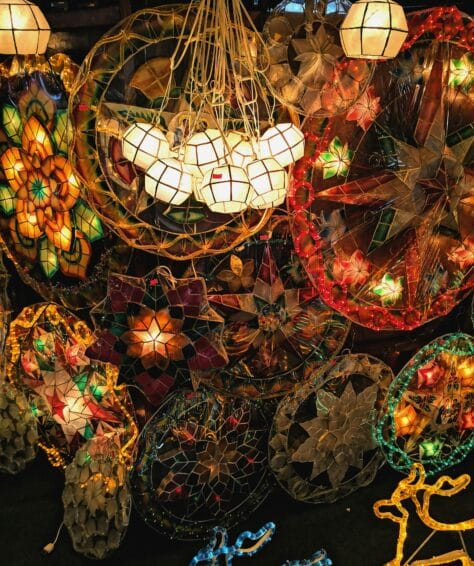
Parol season starts creeping in every October — a few stalls in Divisoria, a “Christmas Decor” tab lighting up on Shopee and Lazada, mall atriums testing their giant lantern displays. By the time the Ber-months hit full swing, you’re choosing between three genuinely different products that all get called “parol”: a handmade capiz or bamboo star from a local artisan, a mass-produced plastic-and-LED import, or a bigger motorized set for your gate or porch. They don’t cost the same, they don’t last the same, and — this is the part most buying guides skip — they’re not all equally safe to plug in.
As of October 2026, here’s what actually separates them, what a new government standard changes, and how much it really costs to keep one lit all season.
Capiz/Bamboo Handmade vs. Mass-Produced LED: The Real Comparison
| Factor | Traditional Handmade (capiz, bamboo, papel de hapon) | Mass-Produced LED/Plastic Import |
|---|---|---|
| Typical price | From around ₱150 for a small artisan-made piece, climbing well past that for larger, more intricate or motorized capiz designs | A small LED set or compact parol is easily covered by a ₱500 budget on major marketplaces; larger motorized capiz-style imports can push past it |
| Materials | Capiz shell, bamboo frame, papel de hapon (Japanese paper), often assembled by hand | Molded plastic “capiz effect” panels, printed foil, pre-wired LED strings |
| Lifespan | Multiple Christmas seasons if stored properly | Shorter — plastic yellows, cheap LED strings fail, folding frames crack after repeated use |
| Electricity use | Depends on the bulb used; traditional incandescent-bulb versions draw noticeably more power than LED | Almost always LED-based now, so power draw is low |
| Where you’ll find it | Local artisans, Pampanga lantern-making communities, some bazaars and malls | Divisoria, Shopee, Lazada, TikTok Shop, bazaars |
| Best for | Buyers who want it to last, display it every year, and support local craftsmanship | Renters, budget-conscious buyers, anyone who wants to swap designs yearly |
Sulit Tip: A genuinely handmade capiz parol is priced per piece by the maker, not by a fixed retail formula — a basic small star from an artisan shop in Manila has been sold for as little as ₱150, while larger, more detailed, or motorized capiz lanterns cost considerably more. If a “capiz parol” online is suspiciously cheap and ships in a flat envelope, it’s almost certainly molded plastic, not real shell.
Does the Philippines Now Have an Official “Safe Parol” Standard?
Yes — and it’s brand new. In August 2025, the Department of Trade and Industry’s Bureau of Philippine Standards (DTI-BPS), working with UL Standards & Engagement (ULSE), issued Philippine National Standard (PNS) 2296-1, covering construction and marking requirements specifically for parol. DTI formally launched the standard in October 2025 in San Fernando, Pampanga — the city that calls itself the “Home of the Giant Lanterns” — framing it as both a consumer-safety measure and a way to help local parol makers compete internationally under the government’s Tatak Pinoy push for local industries.
This followed an earlier step: in December 2022, DTI-BPS had already adopted UL 588, the Standard for Seasonal and Holiday Decorative Products, as a PNS covering general holiday lighting, partly to support parol exporters.
Heads Up: Certification to PNS 2296-1 is currently voluntary, not mandatory. DTI-BPS is accepting applications from manufacturers — especially exporters — but there’s no legal requirement yet forcing every parol sold locally to carry it. DTI has said it will “evaluate the need” for mandatory certification later. In practice, that means the standard exists, but you can’t assume every stall or online listing is already compliant — you still have to check the product yourself.
What you can check for right now, on any electrical decoration: the PS mark (for locally made, DTI-certified products) or the ICC mark (Import Commodity Clearance, for imported electrical goods). The Bureau of Fire Protection has repeatedly flagged substandard, unmarked lights as a preventable cause of holiday-season house fires, and both BFP and Meralco’s own safety advisories tell buyers to look for these marks before buying any plug-in decoration — parol included.
Worked Scenario: What Does It Actually Cost to Light a Parol All Season?
Say you hang a parol from late October through the New Year — roughly 60 nights, lit for about 8 hours each evening. Here’s the real math, using Meralco’s October 2026 residential rate of ₱15.0615 per kWh and standard wattage figures for 100-count light strings:
- A 100-bulb LED string draws roughly 3–10 watts total (a commonly sold 100-count LED set is rated at about 7.2 watts). At 8 hours a night for 60 nights, that’s about 3.5 kWh for the whole season — around ₱52, give or take, depending on the exact set.
- A 100-bulb incandescent mini-light string, the type still used in some traditional parol wiring, draws roughly 40–80 watts total. Run the same 8 hours a night for 60 nights, and that’s closer to 29 kWh — somewhere around ₱434 for the season.
In other words: switching from incandescent to LED on a typical household parol can save you somewhere in the ballpark of ₱380 over the season — on top of running noticeably cooler, which matters for fire risk. Either way, lighting a single household parol is cheap. The bill only gets real money if you’re stringing up multiple large sets, running a motorized giant-style lantern, or leaving a bigger display on far longer than 8 hours a night.
The Safety Checklist Before You Plug Anything In
This is the part a lot of parol shopping guides skip, and it’s the part BFP and Meralco keep repeating every single December:
Good to Know: Look for the PS mark (local) or ICC mark (imported) before buying any electrical parol or light string. Inspect every set for frayed, scorched, or exposed wiring and loose socket connections before you plug it in for the first time each season — not just when it’s brand new. Never daisy-chain more sets than the manufacturer’s label allows, and avoid overloading a single outlet with multiple plugs; that heat buildup is a documented cause of holiday electrical fires. Unplug your parol and decorative lights before bed and whenever you leave the house, and keep anything decorative away from power lines if you’re hanging something outdoors or on a gate.
None of this is theoretical caution — it’s the exact guidance Meralco and the Bureau of Fire Protection issue every single holiday season, because electrical decorations and faulty wiring are a recurring, preventable cause of fires during the Ber-months.
Who Should Buy Which
If you’re renting, moving soon, or just want to change up your look every year or two, the mass-produced LED parol is the practical choice — just actually check for the PS/ICC mark instead of grabbing the cheapest unmarked one on the shelf. If you own your home, want something that can become a yearly tradition, or like the idea of your money going to an actual lantern-maker rather than a bulk importer, a handmade capiz parol is worth the premium — it’ll outlast two or three cheap plastic ones anyway. And if you’re buying purely on impulse from a stall with no visible brand, no safety marking, and a suspiciously low price on something that’s supposed to be “real capiz” — that’s the one scenario where walking away is the most sulit move available.
Also Worth Checking
If you’re budgeting across the whole Ber-months stretch and not just the parol, our guide to whether an artificial Christmas tree is worth it walks through the same kind of electricity-cost math for tree lights. If your shopping list also includes the table, not just the decor, our Noche Buena shopping guide covers whether going no-brand on ham and queso de bola is actually worth it. And if you’re trying to figure out how all of this fits your budget once your bonus lands, see our breakdown of what to do with your 13th month pay before the Ber-months spending starts. For more of this kind of value-first breakdown, head back to more sulit finds.
Verified Sources Used
Department of Trade and Industry (DTI): Confirmed the October 2025 launch of PNS 2296-1, the first Philippine National Standard specifically for parol construction and marking, and its link to the Tatak Pinoy local-industry push.
UL Standards & Engagement (ULSE): Confirmed the technical development timeline of PNS 2296-1 (issued August 2025) and the earlier December 2022 adoption of UL 588 as a Philippine National Standard for holiday decorative products, plus the current voluntary (not mandatory) status of certification.
Philippine News Agency: Confirmed additional detail on the DTI parol standard launch in San Fernando, Pampanga.
SunStar Davao / Bureau of Fire Protection: Confirmed BFP safety guidance on checking for PS/ICC marks, inspecting wiring, and avoiding overloaded outlets with holiday lighting.
Inquirer.net (citing Meralco): Confirmed Meralco’s own holiday electrical-safety advisory on lights, decorations, and outlet precautions.
The Philippine Star: Confirmed Meralco’s October 2026 residential electricity rate of ₱15.0615 per kWh, used for the electricity-cost worked scenario above.
Daily Tribune: Confirmed a real retail price point (₱150) for a small handmade parol from a Manila-based artisan shop, as of October 2025.
Giant Lantern Festival (background reference): Confirmed general background on San Fernando, Pampanga’s Giant Lantern Festival tradition and scale, used for context only.