Junk Shop Prices in the Philippines: How to Avoid Getting Lowballed When Selling Scrap (2026 Guide)
Sulit verdict: Selling to a junk shop is worth it, and usually the most sulit way to clear out scrap, old wires, and broken appliances instead of throwing them away for free. But “worth it” only holds if you do three things before the metal ever hits the scale: separate your materials by type, ask for the price per kilo before you let anyone weigh anything, and watch the number on the scale yourself. Skip any one of those and you’re trusting a stranger’s math with your own money.
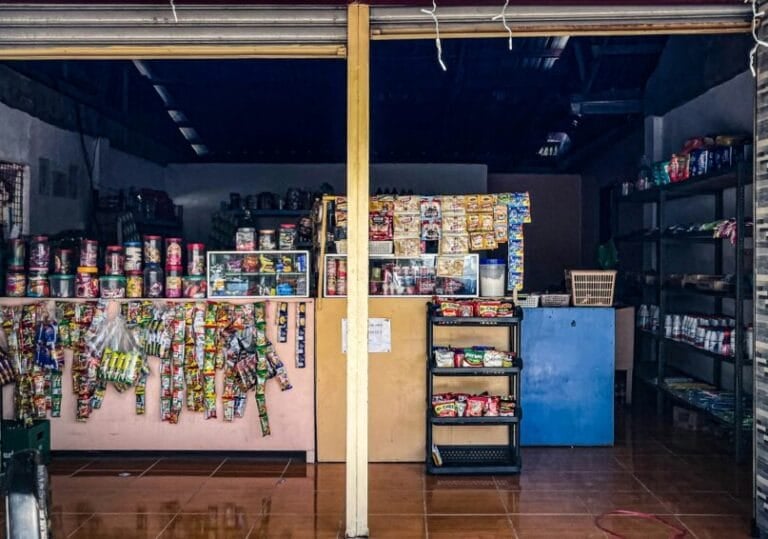
Junk shops (junkshop, tindahan ng junk, or just “junk” in everyday Taglish) are one of the most-searched local businesses in the Philippines — “junk shop near me” alone pulls thousands of searches every few months — yet almost nobody writes about how the pricing actually works or what a fair transaction looks like. That gap is exactly where sellers get shortchanged: without a reference point, it’s your word against the shop’s on what your scrap is actually worth.
This guide breaks down how junk shop pricing works, the specific tricks that cost honest sellers money, and why a legitimate junk shop asking for your ID isn’t a hassle — it’s a legal requirement that exists to protect you as much as it protects them.
How Junk Shop Pricing Actually Works
A junk shop’s business model is simple: buy recyclable material cheap from households, scavengers (“mangangalakal”), and small businesses, then resell it at a markup to bigger recycling agents, mills, or exporters who need volume, per business-advisory site TrueHost PH’s breakdown of the industry. Every peso the junk shop pays you is a peso they’re betting they can resell for more once it’s aggregated with other people’s scrap.
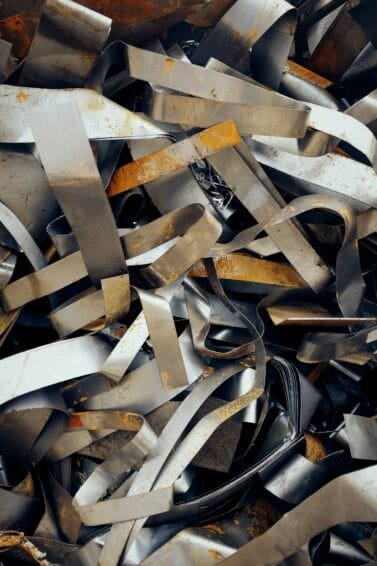
That’s why price isn’t one flat number — it moves with two things: material type and the day’s resale market. Metals track international commodity prices (copper and aluminum move with world markets), so a junk shop’s board price today can be different from last month’s, in either direction. Paper, cardboard, and plastics are lower-value, higher-volume materials that get priced far below metal, per kilo.
| Material | Relative value | Why |
|---|---|---|
| Copper (wire, coils, motor windings) | Highest per kilo | Tracks global copper prices; the most sought-after scrap metal |
| Aluminum (cans, appliance parts, wiring) | High | Widely recyclable, strong resale demand |
| Mixed steel / iron (“bakal”) | Mid | Heavy and common, but lower per-kilo value than non-ferrous metals |
| Bottles, tansan (bottle caps), scrap plastic | Low-mid | Priced per piece or per kilo depending on the shop |
| Cardboard, newspaper, mixed paper | Lowest | Needs real volume to add up to meaningful money |
Heads Up: Don’t take any specific peso-per-kilo figure you read online as today’s rate — including in this article. One junk shop economics explainer, TrueHost PH, cited an example range around ₱140–150/kg for copper and roughly ₱2–2.50/kg for cardboard, but scrap prices shift with world metal markets and vary by region and by shop. The only number that matters is the one the shop quotes you today, which is exactly why you ask for it before weighing, not after.
5 Ways Junk Shops Lowball Sellers (and How to Counter Each)
Most junk shop shortchanging isn’t dramatic fraud — it’s small, repeatable moves that add up. Household recycling resource ScrapBuyer’s household seller guide flags the same pattern sellers report across the Philippines:
| The move | Why it costs you | Counter it by |
|---|---|---|
| Quoting price only after weighing | You’ve already lost your leverage to walk away or negotiate | Ask “magkano po per kilo?” before anything touches the scale |
| Weighing where you can’t see the number | The number can quietly be rounded down | Stand where you can read the scale display yourself |
| Buying mixed materials at one blended rate | Your copper gets paid at “mixed metal” rate instead of copper rate | Sort copper, aluminum, and steel into separate piles before you go |
| Deducting for “dirt” or “moisture” with no explanation | An unverifiable discount stacked on top of the quoted price | Ask exactly how much is being deducted and why, especially on a large load |
| Estimating weight by eye for small loads | Guesses skew low, not high | Weigh at home first (a bathroom scale plus your own body weight works for medium loads) so you know roughly what to expect |
Sulit Tip: If you’re scrapping something with mixed materials — like an old fridge or aircon — the compressor unit alone is usually worth breaking out and negotiating separately, since it packs a small motor and copper winding inside a steel shell. Ask the junk shop to weigh the compressor apart from the rest of the casing rather than letting it get bundled into a blended “appliance scrap” rate.
Why the ID and the Logbook Aren’t There to Hassle You
If a junk shop insists on your name, address, or a valid ID before buying anything more than pocket change worth of scrap, that’s not overreach — it’s the law working as intended. Under Presidential Decree No. 1612, the Anti-Fencing Law, buying, keeping, or selling stolen property counts as “fencing” even if the buyer didn’t know the item was stolen, and pawnshops, junk shops, and buy-and-sell dealers specifically are required to register with local government and keep purchase records, per legal explainer LTO Portal Philippines’ breakdown of PD 1612. The law also shifts the burden of proof: a dealer who can’t show where an item came from is presumed to have known it was stolen, which is exactly why a legitimate shop insists on your details even for an ordinary, honest sale.
This isn’t theoretical. Local governments actively lean on junk shops to police stolen goods at the source — Bacolod City’s government met with junk shop owners in 2023 specifically to stop them from accepting stolen telecommunications cable, with the city administrator telling operators plainly, “if there’s no buyer, there’s no stealing,” per SunStar Bacolod’s coverage of the meeting. A junk shop that skips ID checks and buys anything, no questions asked, isn’t doing you a favor by being “chill” — it’s a shop that’s either unregistered or ignoring the rules that keep honest sellers from getting swept into a stolen-goods investigation themselves.
Good to Know: Some cities go further and restrict what junk shops can even do on-site. Quezon City’s junk shop ordinance limits registered shops strictly to buying, selling, and trading — no on-site sorting or waste storage — after officials found shops functioning more like illegal dumps than legitimate dealers, per Inquirer’s coverage of the 2018 compliance warning issued to 73 shops. A shop that looks like a full sorting-and-storage operation rather than a straightforward buy-sell counter may be operating outside its permit, whatever it’s currently offering you per kilo.
Who This Guide Is For
This is for anyone clearing out scrap metal, old appliances, bottles, or paper who wants a fair price and wants the transaction to be legitimate — not a workaround for people trying to offload something they shouldn’t be selling in the first place. If what you’re scrapping isn’t clearly yours to sell (found copper wire, an unmarked appliance, anything that looks institutional), the safest move is not selling it at all, to any junk shop, registered or not.
Worked Scenario: Scrapping an Appliance That Failed the Repair-or-Replace Test
Say your old refrigerator just failed our repair-or-replace math — the compressor quote came in over 50% of a new unit’s price, so you’re replacing it. Now you’ve got a dead fridge taking up space. Here’s how to run the junk shop side sulit, not just the buying side:
First, separate what you can before the junk shop even sees it: the compressor (a steel shell with a copper-wound motor inside) is worth more taken out and weighed on its own than left attached to the cabinet. Second, ask the shop’s current price per kilo for “compressor” or “motor” scrap specifically, separate from the price for plain steel casing — these are usually two different rates, and a shop weighing the whole unit as one blended lump is quietly averaging your higher-value copper down to steel pricing. Third, watch the scale yourself for both pieces, and only agree to the total after you’ve seen both numbers.
None of this requires confrontation. A legitimate shop won’t blink at a seller who knows to ask these questions — if anything, it signals you’re not an easy mark, which is usually enough on its own to get treated fairly.
Also Worth Checking
If you’re clearing out an appliance because the repair math didn’t work out, our repair-or-replace guide walks through the 50% rule before you get to the scrapping stage. Selling something more valuable than scrap instead — a working gadget, appliance, or furniture piece? Our trade-in vs. sell-it-yourself guide compares brand trade-up, telco, and reseller trade-in programs against listing it yourself. If you do decide to sell it yourself, our Facebook Marketplace scams guide covers how to sell safely without getting scammed by a buyer instead. And if a deal anywhere else feels off — a supplier, a seller, or a too-good-to-be-true listing — our online shopping scams guide covers the broader red-flag playbook. For more of this kind of value-first breakdown, head back to more sulit finds.
Verified Sources Used
TrueHost PH: Confirmed the junk shop buy-low-sell-high business model, licensing requirements, and illustrative per-kilo price examples for copper and cardboard.
ScrapBuyer: Confirmed household-seller protection tips, including sorting materials by type, negotiating price before weighing, and monitoring the scale directly.
LTO Portal Philippines: Confirmed the requirements and legal presumptions under Presidential Decree No. 1612 (Anti-Fencing Law) as they apply to junk shops and buy-and-sell dealers.
SunStar Bacolod: Confirmed a real 2023 local-government case of junk shops being directed to refuse stolen telecommunications cable.
Inquirer: Confirmed Quezon City’s junk shop ordinance restricting registered shops to buying, selling, and trading only, and the 2018 compliance warning issued to 73 shops.