Fake ICC and PS Stickers on Motorcycle Helmets: How to Spot Them Before You Buy (Philippines 2026 Guide)
Sulit verdict: No — don’t risk it. A helmet with a fake or missing ICC/PS sticker can be cheaper by a few hundred pesos, but you’re not actually saving money: you’re gambling your skull on a shell that was never tested against any standard, and you can still get fined ₱3,000 under the same law that was supposed to protect you. Buy from a seller who can produce a sticker that scans — or skip the helmet.
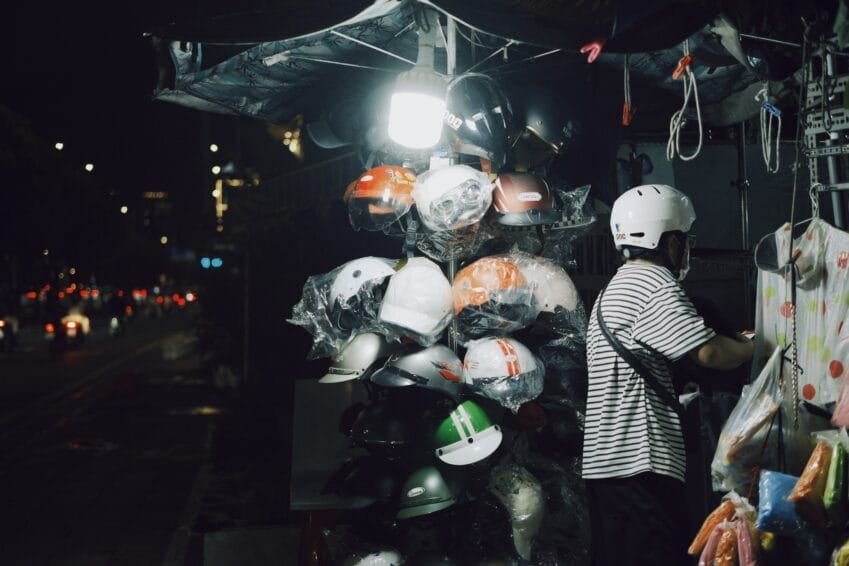
Almost every Filipino household has a motorcycle, and almost every motorcycle rider owns at least one helmet. What most riders don’t know is that the sticker on the back of that helmet — the small “ICC” or “PS” mark most people have never looked at twice — is the only thing standing between “this helmet is legally allowed to be sold in the Philippines” and “this is an unregulated piece of plastic shaped like a helmet.” And that sticker itself can be faked, sold separately from any helmet at all, in places like Quiapo and the Port Area in Manila, according to motoring outlet MotoPinas.
This guide walks through what the sticker is actually supposed to certify, how to check in under a minute whether yours is real, and what the law says happens to you — and to the seller — if it isn’t.
What the Law Actually Requires
Republic Act No. 10054, the Motorcycle Helmet Act of 2009, is the governing law here, and it’s more specific than most riders realize. Per the official text on LawPhil, Section 5 requires every standard protective motorcycle helmet sold in the Philippines to bear either a Philippine Standard (PS) mark or an Import Commodity Clearance (ICC) sticker issued by the DTI’s Bureau of Philippine Standards (BPS). Section 6 goes further: the BPS tests helmets against United Nations Economic Commission for Europe (UNECE) protocols, manufacturers and importers must secure a PS license or ICC before they can sell a single unit, and — this is the part that matters most for a buyer — after the law took effect, only helmets carrying one of these two marks may legally be sold at all. There’s no “the shop said it’s fine” exception.
A helmet without the mark isn’t just a lesser product. Under RA 10054, it isn’t a legal product.
How to Actually Check a Sticker, Not Just Look at It
Here’s the part most riders skip: you cannot tell a genuine ICC or PS sticker from a fake one by eye. Counterfeiters copy the typography, the color, even the hologram-style finish. The only real test is the QR code.
Since July 2018, BPS has issued ICC stickers with a scannable QR code, and DTI built a free verification tool specifically so riders and enforcers could check it on the spot, according to DTI’s own archived announcement. Here’s the actual process:
| Step | What to Do | What It Tells You |
|---|---|---|
| 1 | Download the ICC Verification System app (Android, Google Play, free) | Gives you a scanner built to read BPS’s own QR format |
| 2 | Scan the QR code printed on the sticker — not just the visible “ICC” or “PS” text | A genuine sticker returns a serial number, company name, and product details |
| 3 | Watch for a “No Record Found” result | This means the sticker is fake, reused, or was never registered to that product — the helmet is not legally certified |
| 4 | If you’re buying online, ask the seller for a clear, unedited photo of the sticker before paying | A seller who can’t produce one, or sends a blurry or recycled-looking image, is telling you something |
Sulit Tip: Scan the sticker before you leave the shop, or before you confirm payment on an online order — not weeks later when the helmet is already scratched up and a return is awkward. The app is free and the scan takes seconds; there’s no reason to skip this step for something that protects your head.
Heads Up: A real, scannable sticker on a helmet you bought secondhand or from an unauthorized reseller still doesn’t guarantee the shell underneath hasn’t been dropped, cracked, or swapped. The sticker check confirms the product was certified when made — not that the specific unit in your hands is undamaged. For anything beyond a brand-new unit from an authorized dealer, inspect the shell itself for cracks, and don’t buy a helmet that’s been visibly dropped or sun-bleached from sitting in a display window for years.
The Penalties — For Riders, Sellers, and Counterfeiters
RA 10054’s Section 7 lays out fines for four different violations, and they’re not limited to riders. Per the law’s text:
| Violation | Who It Applies To | Penalty |
|---|---|---|
| Not wearing a helmet at all | Rider | ₱1,500 (1st offense) → ₱3,000 (2nd) → ₱5,000 (3rd) → ₱10,000 + license confiscation (4th+) |
| Using, selling, or distributing a substandard or non-PS/ICC helmet | Rider or seller | ₱3,000 (1st offense), ₱5,000 (2nd), without prejudice to penalties under the Consumer Act |
| Seller/dealer failing to make a standard helmet available with a new motorcycle purchase | Seller or dealer | ₱10,000 to ₱20,000 |
| Tampering, altering, forging, or imitating a PS mark or ICC certificate | Manufacturer, seller, or counterfeiter | ₱10,000 to ₱20,000, without prejudice to penalties under the Consumer Act |
Notice that the ₱3,000-to-₱5,000 fine for a substandard helmet applies to the rider wearing it — not just the seller who sold it. “I didn’t know it was fake” isn’t a defense that appears anywhere in the statute. If you’re caught wearing a helmet that fails the sticker check, you’re the one who pays.
Worked Scenario: A Suspiciously Cheap Helmet on a Livestream Sale
Say you’re scrolling a livestream selling half-face helmets at a price noticeably below what you’ve seen at a motorcycle dealership or an authorized helmet brand’s own store. The seller says “same quality lang, mas mura kasi walang branding.”
Here’s how to actually run the math. First, ask for a clear photo of the ICC or PS sticker before you pay — not after the item ships. If there’s no sticker in the photo at all, you already have your answer: under RA 10054, this product cannot legally be sold, and wearing it exposes you to the ₱3,000 fine on top of the safety risk. If a sticker is visible, note the QR code and scan it once the helmet arrives, before you confirm receipt or leave a review. A “No Record Found” result means the same thing as no sticker at all — you’re holding an uncertified helmet, and whatever you saved on the price doesn’t cover an emergency room visit if it fails you in a fall.
If the sticker scans clean, you’ve confirmed the product was certified — and a low price on a certified half-face helmet isn’t automatically suspicious; certified helmets exist across a range of price points. The sticker check, not the price tag, is what tells you whether the “sulit” deal is real or a false economy.
Good to Know: Certification is about whether the helmet is legally allowed to be sold and meets a tested baseline — it isn’t a ranking of comfort, ventilation, or finish quality between two certified helmets. Once a helmet passes the sticker check, choosing between two certified options comes down to fit, weight, and how long you can stand wearing it in traffic — a separate, personal decision the law doesn’t make for you.
Where Fakes Actually Come From
Fake ICC and PS stickers aren’t always sold attached to a cheap helmet. Per MotoPinas’ reporting, counterfeit stickers circulate on their own in some informal markets, meaning a legitimate-looking helmet shell can be paired with a sticker that was never issued for that product at all. This is exactly why scanning the QR code matters more than checking whether a sticker is physically present — a convincing fake sticker defeats a visual check every time, but it can’t fake a database record that doesn’t exist.
DTI-BPS also periodically publishes its own list of compliant helmet manufacturers, importers, and brands, per RA 10054’s Section 6. If you want extra confidence before a big purchase — say, outfitting a whole family with helmets — checking that the brand appears on BPS’s published list is a reasonable second step beyond the sticker scan.
Frequently Asked Questions
Paano ko malalaman kung tunay ang ICC o PS sticker ng helmet ko?
I-download ang libreng ICC Verification System app sa Google Play, i-scan ang QR code na nakalimbag sa sticker (hindi lang ang nakikitang “ICC” o “PS” na letra), at tingnan ang resulta. Kung “No Record Found” ang lumabas, peke o hindi rehistrado ang sticker.
Ano ang mapapala ko kung mahuli akong nagsusuot ng substandard o pekeng helmet?
Sa ilalim ng Section 7(c) ng RA 10054, ang parusa ay ₱3,000 para sa unang paglabag at ₱5,000 para sa ikalawa — bukod pa sa anumang parusa sa ilalim ng Consumer Act. Ikaw bilang nagsusuot ang may pananagutan, hindi lang ang nagbenta sa iyo.
Legal ba na magbenta ng helmet na walang ICC o PS mark?
Hindi. Ayon sa Section 6 ng RA 10054, matapos magkabisa ang batas, tanging mga helmet na may PS mark o ICC sticker mula sa DTI-Bureau of Philippine Standards ang maaaring ibenta nang legal sa Pilipinas — bago man o pa-import.
Also Worth Checking
Helmet certification is one slice of a much bigger product-verification problem in the Philippines right now. For the broader framework — FDA, PS, and ICC checks across every product category, not just helmets — see our guide on how to verify if an online listing is legit before you buy. If you’re weighing whether an e-bike is a safer, cheaper alternative to a motorcycle for short trips, our e-bike worth-it and registration guide covers the current rules. For the vehicle-safety side of riding — not just what’s on your head but what’s recording the road around you — see our dashcam worth-it guide, which covers the law and insurance-claim angle for riders and drivers alike. And if livestream and marketplace sellers in general make you cautious, our guide on spotting fake reviews on Shopee, Lazada, and TikTok Shop covers the seller-trust side of any online purchase, helmets included.
Verified Sources Used
LawPhil — Republic Act No. 10054: Confirmed the PS/ICC mark requirement under Section 5, the BPS testing and licensing process under Section 6, and the exact fine amounts for riders, sellers, and counterfeiters under Section 7.
DTI official archive: Confirmed the ICC Verification System app, the QR-code sticker format introduced in July 2018, and its intended use by both consumers and DTI market enforcers.
MotoPinas: Confirmed that counterfeit ICC/PS stickers are sold separately from helmets in informal markets such as Quiapo and the Port Area, and that a “No Record Found” scan result indicates a fake sticker.