Are Home Fireworks Worth the Risk This New Year in the Philippines? Legal List, Banned List & the Real Injury Numbers (2026 Guide)
Sulit verdict: Lighting your own fireworks is only “sulit” if you stick to RA 7183’s allowed list, buy from a licensed seller with a receipt, and use them in your city’s designated zone — skip any of those and you risk a ₱20,000–₱30,000 fine, jail time, and the real injury odds in DOH’s 655-case 2025–2026 count.
Every December, the same argument happens in sari-sari stores and group chats across the Philippines: is buying your own kwitis and lusis actually worth it, or should you just bring a pot and a spoon to the barangay countdown? The honest answer is that it depends entirely on which fireworks you’re talking about — because Philippine law doesn’t ban “fireworks” as a category. It splits them into an allowed list and a banned list, and almost every injury DOH logs each year comes from the banned side.
Good to Know: This guide covers the legal framework under Republic Act No. 7183 and the most recent full New Year season’s data (Dec 21, 2025–Jan 3, 2026) as a baseline. Local zone lists, prices and the PNP’s specific item roster are reissued every year, so treat the figures below as “last season’s reality,” not a locked-in guarantee for this December — we flag exactly where to check for the current update closer to the date.
What’s Actually Legal to Light? RA 7183’s Two Lists
Republic Act No. 7183, the Fireworks and Pyrotechnic Devices Act of 1992, is the law that still governs this, and it works on a simple structure: Section 2 names what’s allowed, Section 3 bans anything “of such explosive content that could endanger life and limb,” and it hands the Philippine National Police the job of updating exactly which brand names fall into which bucket as manufacturers invent new ones.
The current PNP roster (most recently reissued under Executive Order No. 28 and RA 7183, per the Philippine News Agency) breaks down like this:
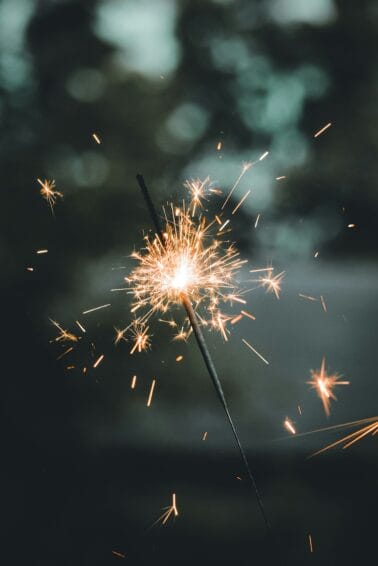
Generally allowed: baby rocket, bawang, El Diablo, Judas belt (regular size), paper caps, “pulling of strings,” sky rocket/kwitis, small triangulo, and pyrotechnic (non-explosive, light-and-sound) devices like sparklers, fountains, roman candles, trompillo, luces and other pailaw-type items.
Banned nationwide: watusi, piccolo, pop-pop, five-star, pla-pla, lolo thunder, giant bawang, giant whistle bomb, atomic bomb, super lolo, atomic triangle (large/”atomic” triangulo), large-size Judas belt, goodbye Philippines, pillbox, boga (a homemade PVC “cannon”), kwiton, and kabasi, along with any imported finished fireworks (importing finished units is flatly illegal — only licensed manufacturers may import raw chemical ingredients) and any unlabeled, locally made item of equivalent size.
Sulit Tip: Watusi used to be legal. It got banned specifically because of child poisoning risk when ingested, and piccolo has been banned since 2007 as the leading single cause of firecracker injuries for years running. If a vendor tells you an old banned item is “actually fine now,” they’re wrong, or lying, or both.
Which Way to Spend Your New Year’s Eve Budget Is Actually Worth It?
Here’s the comparison that actually matters — not “fireworks vs. no fireworks,” but which specific option gets you the celebration without the fine, the jail time, or the ER visit.
| Option | Legal Status | Est. Cost (2025–26 season) | DOH-Reported Injury Risk |
|---|---|---|---|
| Allowed firecrackers (kwitis, baby rocket, bawang) | Legal, if bought from a licensed seller and used in a zone | ₱1,000–₱1,500 per 100-pc kwitis set (up ~100% YoY) | Present but far lower than banned types |
| Banned items (five-star, boga, piccolo, watusi) | Illegal to buy, sell or use — ₱20,000–₱30,000 fine or 6 months–1 year jail | Often sold cheap, unlabeled, no receipt | Named as the top injury cause nearly every season |
| Pyrotechnic devices only (sparklers, fountains, luces) | Legal almost everywhere, including most “total ban” cities | ₱40–₱50 per 10-pc luces (up from ₱25–₱30 in 2024) | Lowest of any lit option, but still a burn risk for kids |
| Community fireworks display only (watch, don’t light) | Always legal; often the only legal option in “total ban” LGUs | Free to ₱0 out-of-pocket beyond travel | Zero personal injury risk |
| Noise-only alternatives (torotot, pot-banging, car horns) | Always legal everywhere | ₱20–₱100 for a torotot/trumpet | Zero |
Heads Up: Prices above come from on-the-ground reporting in Bocaue, Bulacan — the country’s fireworks manufacturing hub — for the Christmas/New Year 2025–2026 season, where vendors cited typhoon damage to crops and higher chemical costs for the jump. Expect similar or higher pricing this December; always confirm at the stall before you commit to a budget.
Your City Probably Has Its Own Rules on Top of This
RA 7183 lets local government units layer their own ordinances on top of the national list, and Metro Manila is a genuine patchwork of them. Going into the 2025–2026 season, Department of Health listings showed Quezon City, Makati, Mandaluyong, Muntinlupa, Parañaque, Las Piñas, Marikina and Pateros all maintaining some form of total ban on personal use within city limits, while cities like Caloocan, Pasig, Taguig and Manila instead designate specific “community firecracker zones” where legal items can be set off. In a past season, Metro Manila’s police region counted over 400 such zones citywide, concentrated in Quezon City, Manila and the Caloocan–Malabon–Navotas–Valenzuela cluster.
The catch: these lists are redrawn every single year, and even the two most recent official rundowns we checked disagreed with each other on which cities fall into which category. Don’t rely on last year’s zone map.
Sulit Tip: In the first week of December, check your own barangay hall, city hall Facebook page, or local police station’s post for this year’s specific zone list and any total-ban announcement — that’s the only way to know where you can legally light anything where you actually live.
The Injury Numbers Behind the “Worth It” Question
The Department of Health runs a firecracker injury count every season through roughly 62 sentinel hospitals nationwide, tallying from December 21 through the New Year. In the most recent complete count: 235 cases were logged from December 21, 2025 through 4 a.m. on January 1, 2026 — a 42% drop from the same window in 2024 — and nearly 69% of those victims were 19 or younger. By January 3, 2026, the cumulative season tally had climbed to 655 cases, with 19 finger or hand amputations (11 of them in minors) and the season’s first death: a 12-year-old who was killed lighting a “big triangle” firecracker on December 28, 2025.
Across multiple reports that season, the same few items kept showing up as the leading cause: five-star, boga, and unidentified (“fake” or unlabeled) firecrackers — exactly the items that sit on RA 7183’s banned list. Kwitis and small triangulo, both legal, also appear in the data, but far less often and typically with less severe outcomes than the banned items.
Who This Guide Is For
This is for households that want to keep a piece of the tradition — the noise, the smoke, the countdown — without gambling a finger or a police record on it. It’s also for anyone who’s ever been handed an unlabeled “sure legal ‘to” bag from a sidewalk vendor and wondered if that was actually true (short answer: probably not, and that’s exactly the kind of item DOH’s data keeps flagging).
It’s less useful if your household has already decided to skip fireworks entirely and just wants the countdown — in that case, skip straight to the noise-only alternatives above and save yourself the read.
Worked Scenario: Budgeting ₱1,000 Without Touching the Banned List
Say your family has set aside ₱1,000 for New Year’s Eve and wants to stay fully legal. At last season’s Bocaue pricing, here’s how that actually breaks down: a 100-piece kwitis set runs ₱1,000–₱1,500 on its own, which would eat your entire budget on one item. A more balanced split looks like two 10-piece packs of luces (₱80–₱100 total) for the kids to hold safely, a smaller 20–30 piece kwitis bundle (roughly ₱250–₱450, scaled down from the 100-piece price), and the remainder — call it ₱450–₱650 — set aside as a household contribution to the barangay’s community display fund, if your area runs one.
That split gets you hands-on noise and light for the kids with the lowest-risk legal items, a modest amount of the louder kwitis experience, and a stake in the zero-injury option for the loudest, biggest show of the night. It’s a more “sulit” ₱1,000 than spending it all on one kwitis bundle that’s gone in twenty minutes.
Before You Buy
A few checks take thirty seconds and matter more than the price tag:
- Ask for a receipt. A licensed seller can give you one; a sidewalk vendor selling out of a sack usually can’t.
- Check the label. RA 7183 requires manufacturer name, address and safety instructions in Filipino and English. No label, no label-matching brand you recognize — don’t buy it.
- Never buy fireworks “delivered” through an online seller or livestream. Police have repeatedly flagged online firecracker sales as illegal regardless of what’s being sold, separate from whether the item itself is on the allowed list.
- Weight and size are red flags, not features. “Bigger bang for your peso” oversized or overweight versions of allowed items are themselves automatically classified as prohibited under the PNP’s rules, even if the base name sounds legal.
What to Do Next
If you’ve decided fireworks are part of your household’s New Year: first, check your city or barangay’s current-year ordinance and zone list in early December — don’t assume last year’s rules still apply. Second, buy only from a stall that can show a DTI/PNP license and give you a receipt, and stick to items on the allowed list above. Third, if you’re using anything louder than sparklers, do it in your area’s designated zone, with closed shoes, water nearby, and adult supervision for every child holding anything lit. If your city has a total ban, the community display or a torotot is genuinely your only fully legal option — and per DOH’s own numbers, the only one with zero injury risk.
Frequently Asked Questions
Is it illegal to light fireworks at home in the Philippines?
It depends on your city. RA 7183 itself doesn’t ban home use of allowed items outright, but many Metro Manila LGUs (including Quezon City, Makati and Muntinlupa going into the 2025–2026 season) have local ordinances banning personal use anywhere outside designated community firecracker zones. Check your specific city’s current-year ordinance before assuming home use is fine.
What firecrackers are legal to buy and use in the Philippines?
Under RA 7183 and the PNP’s current list, generally allowed items include baby rocket, bawang, El Diablo, Judas belt (regular size), paper caps, sky rocket/kwitis, small triangulo, and pyrotechnic devices like sparklers, fountains, roman candles and luces. Oversized or imported versions of these same items are not automatically covered.
What happens if I’m caught with a banned firecracker like five-star or boga?
RA 7183 sets a penalty of a ₱20,000 to ₱30,000 fine, six months to one year in prison, or both, plus confiscation of your stock and (for sellers) cancellation of any business license.
Are firecracker zones the same every year?
No. Local government units redraw their designated zones and ban lists each season, and the count and location of zones has changed from year to year in past seasons. Always check your city or barangay’s current-year announcement rather than relying on last year’s map.
How many people are actually injured by firecrackers each year in the Philippines?
In the most recently completed full season, DOH’s sentinel-hospital surveillance logged 235 cases between December 21, 2025 and 4 a.m. on January 1, 2026 (a 42% drop from the same window in 2024), with the cumulative season count reaching 655 by January 3, 2026, including 19 amputations and one death. Figures vary by year and reporting cutoff.
Is watching a community fireworks display actually safer than lighting your own?
Per DOH’s own injury data, yes — the overwhelming majority of reported injuries come from individuals handling firecrackers themselves, especially unlabeled or banned items, not from attending an organized public display.
Also Worth Checking
Buying anything for the holidays means doing a quick legitimacy check first, whether it’s a firecracker stall or an online seller. See our guide on how to verify FDA, PS/ICC and DTI registration before you buy for the same instinct applied to regulated products year-round, and our guide to spotting fake ICC and PS safety stickers for how counterfeiters fake the exact kind of certification marks this guide talks about. If your Ber-months budget is also stretching to cover the table, our Noche Buena 2026 guide to pre-order ham and lechon vs. cooking from scratch covers the other big December spending decision. For more of this kind of value-first breakdown, head back to more sulit finds.
Verified Sources Used
Republic Act No. 7183 (LawPhil / Official Gazette-sourced text): Confirmed the allowed/banned structure, licensing rules, import ban, labeling requirements and penalty amounts (₱20,000–₱30,000 fine, 6 months–1 year imprisonment).
Daily Tribune: Confirmed the DOH’s 235-case count for December 21, 2025–January 1, 2026 (4 a.m. cutoff), the 42% year-on-year decrease, and the age breakdown of victims.
Manila Bulletin: Confirmed the cumulative 655-case season tally, amputation count, and top reported causes (unidentified fireworks, legal kwitis, illegal five-star).
GMA News: Confirmed which Metro Manila LGUs maintained total bans versus designated firecracker/display zones heading into the 2025–2026 season.
GMA News: Confirmed actual December 2025 retail prices for luces, kuwitis and sawa in Bocaue, Bulacan, and the stated reasons for the year-on-year price increase.
Philippine News Agency / PTV: Confirmed the PNP’s current named allowed and prohibited firecracker and pyrotechnic device lists under EO 28 and RA 7183.