Noche Buena 2026: Pre-Order Ham & Lechon vs. Cooking From Scratch — Which Is Actually Sulit? (Philippines Guide)
Sulit verdict: It depends on how many people you’re feeding and how much your time is worth. If you’re cooking for 4 to 6 and someone in the house actually enjoys cooking, buying the ingredients separately at or near DTI’s suggested prices is still the cheapest way to eat well on Christmas Eve. If you’re hosting 10 or more and nobody has a free afternoon on December 24, a pre-ordered lechon-and-ham package stops being a luxury and starts being the sulit move once you divide the cost per head. The one thing that’s not sulit: assuming you can actually feed a family on the viral “₱500 Noche Buena” figure — DTI’s own cheapest bundle only got to ₱428.70, and that’s before rice, drinks, or dessert.
Every November, the same ritual plays out: the Department of Trade and Industry (DTI) releases its Noche Buena Price Guide, Filipino households start pricing out ham and queso de bola, and someone online inevitably asks whether it’s cheaper to just order a whole lechon instead of cooking a full spread. The honest answer is that it’s not one-size-fits-all — it’s a math problem with a few real inputs: your guest count, your kitchen bandwidth, and whether you’re buying a brand-name ham or a no-name one that tastes close enough.
As of late October 2026, DTI has not yet released this year’s Noche Buena Price Guide — it typically comes out in the last week of November or the first week of December. So this guide uses the most recently published guide (for the 2025 season, released December 3, 2025) as the baseline, plus DTI’s own public statements on what a bare-minimum spread costs, so you can plan your budget now and adjust once the 2026 figures land.
What’s Actually in DTI’s Noche Buena Price Guide
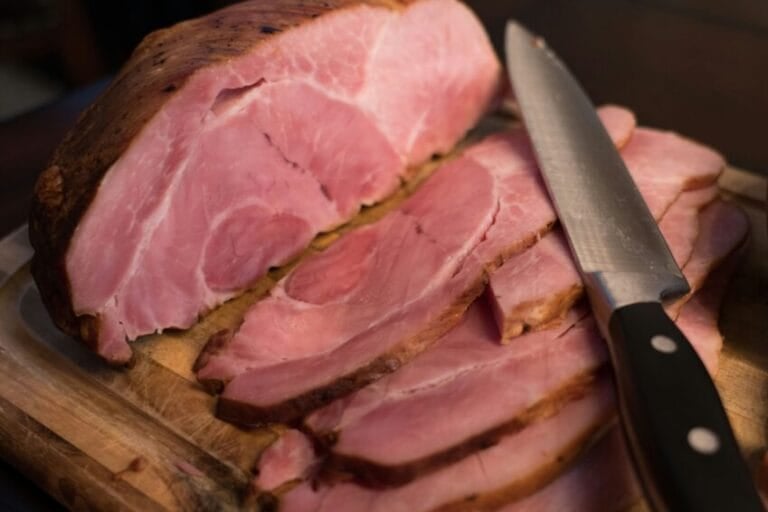
The Noche Buena Price Guide is a list of suggested retail prices (SRPs) that DTI publishes every holiday season for the items Filipino households typically buy for Christmas Eve: ham, queso de bola, cheese, mayonnaise, sandwich spread, pasta, spaghetti sauce, tomato sauce, fruit cocktail, all-purpose cream, nata de coco, and kaong. Based on the 2025 guide, here’s the range you should expect to see on shelves:
| Item | 2025 DTI SRP Range |
|---|---|
| Ham | ₱170 – ₱945 |
| Queso de bola | ₱210 – ₱470 |
| Cheese | ₱16.50 – ₱310 |
| Mayonnaise | ₱20.40 – ₱245.85 |
| Sandwich spread | ₱12 – ₱263.30 |
| Pasta / spaghetti | ₱27 – ₱116.75 |
| Elbow / salad macaroni | ₱24 – ₱128.15 |
| Spaghetti sauce | ₱25 – ₱108.25 |
| Tomato sauce | ₱16.75 – ₱92.25 |
| Fruit cocktail | ₱61.76 – ₱94.41 |
| All-purpose cream | ₱36 – ₱72 |
| Nata de coco | ₱52.50 – ₱62.50 |
| Kaong | ₱76.50 – ₱84 |
Notice the wide spread on almost every line — that’s brand tiering. The low end is usually a generic or store-brand version; the high end is an imported or premium brand (Chinese ham versus a boutique glazed ham, for instance). According to DTI’s 2025 guide as reported by GMA News, at least 95 of the roughly 200+ covered items went up in price that year, another 95 rose by 1 to 6 percent, only two items dropped by about 2 percent, and the rest held steady.
This guide focuses on the bigger decision — cook from scratch, pre-order a lechon package, or go mixed/potluck. If your main question is narrower, specifically whether to go no-brand or premium on the ham and queso de bola centerpiece itself, our dedicated no-brand vs. premium Noche Buena price guide runs the actual brand-by-brand, price-per-100g math.
Good to Know: The Noche Buena Price Guide is a suggested retail price list, not a legal price cap. According to the Department of Trade and Industry’s own basis — the Price Act (Republic Act No. 7581, as amended by RA 10623) — government price regulation applies specifically to “basic necessities” and “prime commodities.” Ham, cheese, and queso de bola don’t fall under either category, which is why a Trade Undersecretary has publicly clarified that Noche Buena goods are monitored, not regulated, by DTI. A store charging more than the SRP on a Christmas ham isn’t necessarily breaking the law the way it would be if it overcharged on rice or canned sardines during a declared price freeze.
The DTI “₱500 Noche Buena” Debate (and What’s Actually Realistic)
In late November 2025, then-Trade Secretary Cristina Roque said a ₱500 budget could be enough for a family’s Noche Buena, depending on household size — and the comment drew immediate backlash online and from lawmakers, with one widely shared headline reading “Solons hit DTI for P500 Noche Buena pitch: Bring prices down first.” DTI stood by the claim on November 28, 2025, but here’s the detail that matters for your own budgeting: DTI’s own cheapest published Noche Buena set, built directly from SRP items, totaled ₱428.70 — and that’s for ham, spaghetti, and either fruit salad or macaroni salad, with a little left over for a can of luncheon meat or corned beef. It does not include rice, a vegetable dish, drinks, dessert, or enough protein to call it a real meal for more than two or three people.
Heads Up: Treat any “₱500 Noche Buena” framing as a floor for the add-on items alone (the ham, the pasta, one canned extra), not as a full holiday meal for a typical household. If you’re budgeting for an actual sit-down Noche Buena for 5 or more people — rice, a main dish beyond the ham, a vegetable or salad, and drinks — plan for several times that figure, even using the cheapest SRP-tier products.
Three Ways to Do Noche Buena 2026 — Compared
| Approach | Best For | Real Cost Driver | Trade-Off |
|---|---|---|---|
| Buy everything separately, cook from scratch | 4–6 people, someone who enjoys cooking, smaller budgets | Sum of SRP-tier grocery items (ham, pasta, sauce, sides) — cheapest per head if you shop the low end of each SRP range | Costs hours of prep and cooking time on Dec. 24, when everyone’s schedule is already tight |
| Pre-order a ham-and-lechon catering package | 10+ guests, limited kitchen time, hosting duties | Price per kilo or per head from your chosen lechonero/caterer, which moves every December with pork and labor costs | Highest sticker price, but can beat DIY on a per-head basis for a big crowd, and frees up your whole Dec. 24 afternoon |
| Mixed / potluck: you provide one centerpiece, everyone else brings a dish | Extended family or barangay/office gatherings, any group size | Whatever your one contribution costs — often just the ham or just the rice and drinks | Needs coordination so you don’t end up with five pasta dishes and no vegetable |
Sulit Tip: Run the “per head” math before you decide, not after. Divide your total projected cost (ingredients, or the catering quote) by your actual guest count. A ₱3,500 small lechon package split eight ways (₱437.50 per head, already including the centerpiece, no cooking required) can be more sulit than assembling a from-scratch spread at the high end of DTI’s SRP range for the same group — the math flips depending on which price tier you’re shopping at and how many people are actually eating.
What a Lechon Actually Costs (and Why the Range Is So Wide)
Lechon isn’t covered by DTI’s Noche Buena Price Guide, so there’s no official SRP to check against — pricing depends entirely on your lechonero, your city, and the size of pig you order. To give you a planning range rather than a guess: GMA News reported that in La Loma, Quezon City — one of Metro Manila’s best-known lechon strips — a whole roasted pig good for about 15 people went from roughly ₱6,000 in 2022 to about ₱7,500–₱8,500 by December 2023, with larger orders reaching as high as ₱25,500, and lechon meat sold by the kilo running from around ₱500 in some provincial areas up to ₱1,500 or more in Metro Manila depending on the vendor. Ham prices at the same time rose by roughly 7 percent year-on-year, with imported Chinese-style ham fetching around ₱1,880 per kilo at a Quiapo retailer.
Those are historical reference points, not this year’s prices — pork, charcoal, and labor costs all move annually, and a lechonero’s price today will likely be higher than in 2022 or 2023. Sulit Tip: Call or message your intended lechon supplier directly in early-to-mid November, ask for this year’s per-kilo and per-whole-pig rate in writing, and lock in your order date — lechoneros in high-demand strips like La Loma routinely sell out their December 24 slots by early December.
Worked Scenario: Planning Noche Buena for a Family of 7
Say you’re hosting parents, three siblings, and two kids — seven people, moderate budget, and whoever’s cooking also has a day job. Here’s how the three paths might play out:
Path 1 — DIY from scratch: Ham at the low-to-mid SRP tier (~₱400), queso de bola (~₱300), spaghetti with sauce and cheese (~₱200 combined), fruit salad with cream and fruit cocktail (~₱150), plus rice, a vegetable side, and drinks (~₱400–₱600). Rough total: ₱1,450–₱1,650, or roughly ₱210–₱235 per head — but it costs real kitchen hours on an already busy day.
Path 2 — Small lechon package: A lechon portion sized for 7–8 people typically runs in the low thousands depending on your city and lechonero (confirm this year’s quote directly), which alone can exceed the entire Path 1 budget — but it replaces the need to also cook a separate main dish, and frees up hours of prep time.
Path 3 — Mixed: You handle the ham and rice (~₱600–₱700 total); each of the three siblings’ households brings one dish (pasta, a vegetable side, dessert). Your out-of-pocket cost drops to roughly ₱85–₱100 per head for your household, and no single family does all the cooking.
For a mid-sized extended family with at least one other household willing to split duties, Path 3 is usually the most sulit — it keeps costs down and keeps any one person from spending their entire Dec. 24 in the kitchen.
Avoiding Pre-Order Scams During the Ber-Months Rush
The same November–December rush that pushes up lechon and ham prices also brings out fake “lechon supplier” and “ham reseller” pages on Facebook and other platforms, especially ones offering prices well below what established lechoneros are quoting. Before sending a deposit to anyone you found through a social media ad or a “friend of a friend” referral: verify the seller has an actual physical address or a long-standing public page history, ask for an official receipt or acknowledgment of your deposit, and be wary of anyone who only accepts payment through a personal e-wallet account with no business registration behind it. Our online shopping scams guide and guide to verifying a live-selling seller cover the exact red flags that apply just as much to a holiday food pre-order as to any other online purchase.
Heads Up: If a lechon or ham deal looks dramatically cheaper than every other quote you’ve gotten this season, that gap is the red flag, not the bargain. Established lechoneros and ham suppliers don’t suddenly sell 40% below market during the one season they’re busiest.
Frequently Asked Questions
Is DTI’s Noche Buena Price Guide a mandatory price cap?
No. It’s a suggested retail price (SRP) list that DTI monitors but does not legally enforce as a price ceiling, because ham, cheese, and queso de bola are not classified as “basic necessities” or “prime commodities” under the Price Act (RA 7581). A store can legally sell above the SRP.
Is ₱500 really enough for a family’s Noche Buena?
Not for a full sit-down meal. DTI’s own cheapest SRP-based bundle came out to ₱428.70, and that only covers ham, spaghetti, and one more canned item — it excludes rice, drinks, dessert, and a proper vegetable dish for a household of more than two or three people.
Is a pre-ordered lechon cheaper than cooking a full Noche Buena spread?
It depends on your guest count. For small households (4–6 people), DIY from DTI SRP-tier items is usually cheaper per head. For larger groups (10+), a lechon package’s per-head cost can come out lower than a from-scratch spread once you factor in everyone’s time, especially at the higher end of the SRP range.
How early should I order a lechon for Christmas Eve?
Lock in your order and get a written quote by early-to-mid November. High-demand lechon strips like La Loma, Quezon City routinely sell out their December 24 pickup and delivery slots well before the week of Christmas.
Also Worth Checking
Noche Buena is just one piece of the Ber-months budget. If you’re trying to make your December pesos stretch further, check our breakdown of what to actually do with your 13th month pay before you spend it all on groceries, our palengke vs. supermarket comparison for where your ham-and-sides budget stretches furthest, our online grocery delivery guide if you’d rather have everything delivered than brave the Divisoria or supermarket crowds this close to Christmas, and our no-brand vs. premium ham and queso de bola guide if you’ve already decided to cook and just want the cheapest centerpiece that still looks good on the table. For more of this kind of value-first breakdown, head back to more sulit finds.
Verified Sources Used
DTI official notice (dti.gov.ph): Confirmed the legal basis for Noche Buena price monitoring (RA 7581 Price Act and RA 7394 Consumer Act) and how DTI’s enforcement and monitoring operations work.
GMA News and Philippine Daily Inquirer: Confirmed the 2025 DTI Noche Buena Price Guide’s SRP ranges, the ₱428.70 cheapest DTI-built set, and the public and lawmaker reaction to the “₱500 Noche Buena” claim.
Philippine News Agency: Confirmed historical DTI Noche Buena SRP movement patterns and the scale of year-on-year price adjustments across covered SKUs.
ABS-CBN News: Confirmed that Noche Buena items are monitored, not price-regulated, by DTI because they fall outside the legal definitions of “basic necessities” and “prime commodities.”
GMA News (La Loma lechon pricing, 2022) and GMA News (lechon and ham pricing, 2023): Confirmed historical whole-lechon and per-kilo lechon pricing trends in Metro Manila, and year-on-year ham price movement, used here as planning reference ranges rather than current-year prices.