Is Carousell Safe in the Philippines? How to Verify a Seller With the DTI Trustmark (2026 Guide)
Sulit verdict: Carousell is reasonably safe for casual secondhand buying if you stick to public meetups, verified payment, and basic seller checks. But most sellers are private individuals, so the Internet Transactions Act’s buyer protections don’t legally apply to your purchase — only Trustmark-registered business sellers carry that protection. Check for the badge before you commit.
Here’s what that actually means in practice: Carousell works more like a digital tiangge than an online store. You’re usually dealing with another person clearing out a closet or selling a used phone, not a registered business with a return policy. That’s fine for a ₱300 secondhand blouse. It’s a different risk calculation for a ₱40,000 motorcycle or a car, which is exactly where most of the serious Carousell horror stories in the Philippines come from.
As of November 18, 2026, here’s how Carousell’s safety actually works, what the government’s new DTI Trustmark can and can’t verify for you, and what legal recourse you realistically have if a deal goes wrong.
Why Carousell Isn’t Quite Like Shopee or Lazada
The Internet Transactions Act of 2023 (Republic Act No. 11967) is the law behind most of the online shopping protections Filipinos have gotten used to — refunds, redress mechanisms, the DTI complaint process we’ve covered in our Internet Transactions Act guide. But Section 3 of RA 11967 carves out an important exception: it expressly does not cover “consumer-to-consumer (C2C) transactions” — deals between two private individuals, for personal or household purposes, that aren’t done “in the ordinary course of business,” per the law’s text on LawPhil’s official statute archive.
That carve-out matters enormously on Carousell, because most listings on the platform are exactly that: a private person selling their own used stuff, not a registered merchant. If the person you’re buying from is a casual seller clearing out old gadgets, you’re in C2C territory, and the Act’s redress and liability provisions (Sections 19 through 28) don’t apply to that specific transaction. If the seller is actually running a business through their Carousell account — reselling in volume, operating as a store — they count as an “Online Merchant” under the law and the same protections that cover a Shopee or Lazada purchase should apply to them too.
Sulit Tip: A quick tell: if a “seller” has dozens of identical or near-identical new items listed, ships nationwide, and runs the account like a storefront, they’re very likely an Online Merchant under the law, whether they’ve registered as one or not — and the Act’s protections should still apply to your purchase from them.
How Carousell Stacks Up Against the Other Platforms
| Platform | Typical Seller | Covered by RA 11967? | Built-In Redress Tool | How You Verify a Seller |
|---|---|---|---|---|
| Carousell | Mostly private individuals (C2C), some resellers | Only if seller is an actual “Online Merchant” (business) | In-app chat history, buyer/seller ratings | Profile reviews, chat history, DTI Trustmark badge if present |
| Facebook Marketplace | Mostly private individuals (C2C), some business Pages | Only for business-Page sellers | None built-in; relies on FB profile and Messenger | FB profile age, mutual friends, Trustmark badge if present |
| Shopee | Registered merchants/stores | Yes, as an e-marketplace under Sec. 21 | Shopee Guarantee, in-app dispute/refund flow | Store ratings, Shopee Mall badge, Trustmark badge |
| Lazada | Registered merchants/stores | Yes, as an e-marketplace under Sec. 21 | LazMall/buyer protection, in-app dispute flow | Store ratings, LazMall badge, Trustmark badge |
| TikTok Shop | Registered merchants/stores, some live sellers | Yes, as an e-marketplace under Sec. 21 | In-app dispute/refund flow | Shop ratings, verified badge, Trustmark badge |
For more on why a crossed-out “original price” on Shopee or Lazada isn’t always what it looks like, see our guide on checking if a sale discount is real.
The DTI E-Commerce Trustmark, Explained
The Philippine E-Commerce Trustmark is a government-endorsed digital badge issued by the DTI’s E-Commerce Bureau to businesses that comply with RA 11967, per the official DTI Trustmark FAQ. It’s meant to work across any platform — a website, a social media page, a physical stall — not just inside one marketplace app, which is what separates it from a store’s own internal “top seller” badge.
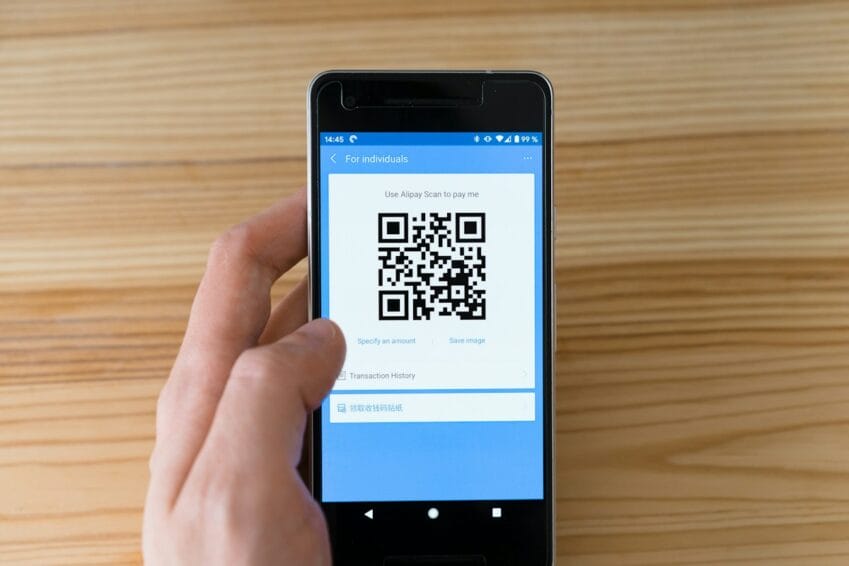
Every issued Trustmark carries a unique 14-digit security number and a QR code. Scanning the code takes you to the DTI’s own verification page, where you can confirm the business name, registration details, and which platforms it’s registered to sell on — pulled from DTI’s public Online Business Database. If the platforms listed don’t match where you’re actually buying from, that’s a red flag worth pausing on.
Heads Up: DTI’s own FAQ is oddly inconsistent on whether getting the Trustmark is optional. One answer calls registration “voluntary,” while another section of the same FAQ cites Sections 11, 8(c), and 12 of RA 11967 to say online merchants, e-marketplaces, and digital platforms “must” be Trustmark-registered to do e-commerce in the Philippines. Until DTI clarifies that gap, don’t treat a missing badge alone as proof a seller is doing something wrong — plenty of legitimate small sellers haven’t registered yet. Treat a present badge as a positive signal, not a missing one as a dealbreaker.
Good to Know: The Trustmark is explicitly not a quality or performance guarantee. DTI’s FAQ states plainly that it “does not constitute an endorsement or certification of quality for any specific business, product or service.” It tells you the seller cleared legal and data-privacy compliance checks — not that the secondhand phone they’re selling actually works.
For sellers reading this: DTI has waived the initial registration fee entirely for DTI-registered micro enterprises through December 31, 2026, with small businesses getting a 50% discount on the standard fee (₱630 total before the discount, versus ₱1,130 for medium and large businesses), per the DTI Trustmark guideline. Processing takes about 7 working days once requirements are complete, and the badge is valid for one year.
What Happens If You Actually Get Scammed by a Private Seller
This is the part most “is it safe” articles skip. If your Carousell seller is a genuine C2C private individual and the deal goes bad — fake item, no-show, broken goods — RA 11967’s consumer redress machinery (the internal complaint process, the DTI’s two-year filing window under Section 28, the platform’s subsidiary liability under Section 26) doesn’t apply, because Section 3 excludes that transaction from the Act entirely. You’re not without options, but they shift to general law: you can still pursue the seller individually through estafa or civil fraud claims, small claims court for amounts within its threshold, or report the account to Carousell for removal. What you can’t do is file the kind of DTI e-commerce complaint that works against a Shopee or Lazada merchant, because the law was written around registered online merchants and e-marketplaces, not person-to-person resale.
If the seller turns out to actually be an undeclared business — reselling at volume, running what is functionally a store — RA 11967 protections should apply retroactively to your claim, and that’s worth raising directly if you file a complaint with DTI’s E-Commerce Bureau.
Worked Scenario: The “Assume Balance” (PASALO) Scam
Say you’re buying a used motorcycle on Carousell and the seller offers a deal that sounds great: instead of paying the full price upfront, you simply “take over” (pasalo) their remaining loan balance with the financing company. Lower monthly payments, no huge lump sum — tempting.
Here’s the risk Carousell’s own official seller guidance flags for exactly this kind of listing: if the unit isn’t fully paid off and you take over an informal, undocumented “assume balance” arrangement, the original buyer (now seller to you) typically remains the one legally liable to the financing company if payments lapse — not you, and not them off the hook either, depending on how the transfer was handled. If you stop paying, or they do, the financing company can still repossess the unit or come after the name on the original loan, and an informal handshake deal between two Carousell users won’t protect either side in that fight.
Before you agree to any PASALO deal: call the financing company directly and confirm the actual remaining balance and the account’s standing — don’t rely on the seller’s word or their screenshot of a payment app. Ask what their process is for formally transferring the loan or the registered owner’s name, not just the item. If there’s no clean way to make the transfer official with the lender, walk away or insist on a full payout instead. This single phone call is the difference between a good deal and inheriting someone else’s unpaid loan.
Checking a Seller Before You Meet Up
Start with the profile, not the listing. Check how long the account has existed, their rating, and whether past buyers left reviews — a brand-new account with no history selling a single big-ticket item is a common scam pattern.
Keep the conversation inside the app. Carousell’s own safety guidance recommends staying in its in-app chat rather than moving to SMS or a third-party app early, specifically because it keeps a documented record if something goes wrong later.
Look for the Trustmark badge if the seller claims to be a registered business. Scan the QR code yourself rather than taking a screenshot at face value — a copied image of a badge proves nothing on its own.
Meet in a public, well-lit place, and tell someone your plan. Bring a companion if you can, or at minimum tell someone where you’re going, who you’re meeting, and when you expect to be back. If more people show up to the meetup than agreed, it’s safer to walk away than proceed.
Prefer traceable payment over handing over cash in private. If you do pay cash, Carousell’s own advice suggests doing it somewhere with cameras and a paper trail, like a bank lobby, rather than an empty parking lot.
Also Worth Checking
If you’re weighing Carousell against the platform people usually mention in the same breath, our Facebook Marketplace safety guide covers the same C2C risk pattern on a different app. Buying something secondhand and specifically electronic? Our secondhand phone buying guide walks through NTC rules and the Anti-Fencing Law angle that applies whether you bought from Carousell, a pawnshop, or a surplus shop. For the platforms where RA 11967’s full protections do apply, our Internet Transactions Act guide breaks down what Shopee, Lazada, and TikTok Shop are actually required to guarantee you. And if scams in general are the worry rather than one specific platform, our online shopping scams guide covers the broader red-flag patterns to watch for. For more of this kind of value-first breakdown, head back to more sulit finds.
Frequently Asked Questions
Is Carousell safe to use in the Philippines?
Generally yes for everyday secondhand buying, as long as you verify the seller’s profile and rating, meet in public, and prefer traceable payment. It carries more individual risk than Shopee or Lazada because most sellers are private individuals without a platform-backed refund guarantee behind them.
Does the DTI Trustmark apply to Carousell sellers?
It can, but only to sellers who are registered businesses, not casual individuals selling their own used items. Scan the badge’s QR code yourself to confirm it’s genuine and currently valid rather than trusting a screenshot.
Can I file a DTI complaint if a Carousell seller scams me?
Only if that seller legally counts as an “Online Merchant” doing business, not a casual private individual — the Internet Transactions Act’s Section 3 excludes pure consumer-to-consumer transactions from DTI’s e-commerce complaint process. For a private seller, you’d pursue the matter through small claims court, a police report, or Carousell’s own account-reporting tools instead.
What is the PASALO or “Assume Balance” scam on Carousell?
It’s when a seller offers to let you take over their remaining loan balance on a financed item, usually a vehicle, instead of paying the full price. If the loan transfer isn’t formally processed with the financing company, you can end up with no clear legal claim to the item while the original borrower stays on the hook — or vice versa. Always confirm the payoff and transfer process directly with the lender first.
How do I check if a Carousell seller’s DTI Trustmark badge is real?
Scan the QR code on the badge yourself. It should lead to DTI’s own verification page showing the business name, registration details, and the platforms that business is registered to sell on. If the platform list doesn’t include Carousell, or the scan doesn’t resolve to an official DTI page at all, treat the badge as unverified.
Is buying a secondhand car or motorcycle on Carousell riskier than buying electronics?
Yes, mainly because of financing complications like PASALO deals and the higher amounts of money involved. Always verify any existing loan balance directly with the bank or financing company, inspect the unit in person before paying anything, and never hand over full payment before confirming the transfer paperwork is in order.
Verified Sources Used
DTI E-Commerce Trustmark FAQ: Confirmed what the Trustmark certifies, its 14-digit security number and QR verification system, the voluntary-vs-mandatory language conflict, and the explicit “not a quality endorsement” disclaimer.
DTI E-Commerce Trustmark Guideline: Confirmed the fee schedule by business size, the micro-enterprise fee waiver through December 31, 2026, processing time, and one-year validity period.
LawPhil — Republic Act No. 11967 (Internet Transactions Act of 2023): Confirmed the C2C exclusion under Section 3 and Section 4(c), the e-marketplace obligations under Section 21, the redress and liability provisions under Sections 24 through 28, and the DTI E-Commerce Bureau’s creation under Section 7.
Carousell Philippines’ official blog: Confirmed Carousell’s own recommended seller-and-buyer safety practices, including staying in-app for documentation, bringing a companion to meetups, preferring traceable payment, and the specific “Assume Balance” (PASALO) risk warning for vehicle listings.