GCash, Wise, Western Union, or Bank: Which Way to Send Money to the Philippines Is Actually Sulit in 2026?
Sulit verdict: For most OFW families, a digital-first combo wins: have your relative sign up for a transparent app like Wise or a bank-linked transfer for the bulk of the amount, and keep GCash or Maya as the receiving wallet so there’s no separate claiming fee. Skip cash-funded transfers (cash, money order, cashier’s check) at a remittance counter if you’re sending from the US — as of January 1, 2026, those specifically get hit with a new 1% federal tax that a bank-linked or card-linked transfer of the same amount does not.
Sending money home is not a once-a-year decision the way buying an aircon is — for millions of Filipino families it’s a monthly ritual, and the fees quietly compound. The Bangko Sentral ng Pilipinas reported that OFWs sent home $20.39 billion in the first seven months of 2026 alone, up 2.3% from the same stretch last year, with the central bank calling remittances “an important growth driver” for household spending. Multiply even a small per-transfer fee difference by 12 months and it adds up to real money — often more than what a lot of “sulit” shopping hacks save you in a year.
This guide compares what it actually costs to move money into the Philippines through the major channels in September 2026, walks through the new US remittance tax that just started applying to some transfer methods, and gives you a way to check whether a remittance company is even legitimate before you hand over your pera.
The Real Cost Comparison at a Glance
| Method | What It Charges (Example: $500 USD) | Speed | Best For |
|---|---|---|---|
| Wise (bank-linked/direct debit) | ~$4.18 | Minutes to 1 business day | Regular senders who want the lowest total cost |
| Wise (bank transfer) | ~$9.43 | 1-2 business days | Senders without instant bank-linking |
| Wise (debit card) | ~$9.45 | Minutes | Speed with a moderate fee |
| Wise (credit card / Apple Pay / Google Pay) | ~$33.83 | Minutes | Rarely worth it — highest fee tier |
| Western Union (online, first transfer) | $0 promo fee (up to $2,000), regular fees + FX margin after | Minutes (to GCash/wallet) to 1-3 days (bank) | First-time senders, or anyone sending straight to a GCash/Maya wallet |
| GCash / Maya (receiving side) | Free to receive and claim | Instant once the sender’s transfer clears | Anyone whose family already uses an e-wallet |
| Bank-to-bank wire | Varies by bank; usually a flat fee plus an FX margin built into the rate | 1-3 business days | Large, infrequent transfers where the receiving bank matters |
A quick note on those Wise figures: they’re pulled straight from Wise’s own pricing calculator for a $500 USD-to-PHP transfer, checked on September 20, 2026. Wise doesn’t publish a locked-in fee because pricing shifts with the amount and funding method — treat these as a snapshot, not a permanent rate, and always re-check the calculator before you send.
Why “Zero Transfer Fee” Doesn’t Always Mean Cheapest
This is the part that trips up a lot of first-time senders: a provider can genuinely charge “$0 transfer fee” and still not be the cheapest option, because the other lever is the exchange rate. Wise’s own pricing page states it applies a 0% FX markup — meaning it uses the same mid-market rate you’d see on a currency converter, and its entire revenue comes from the visible fee. Banks and some remittance counters, by contrast, often advertise no separate “fee” line at all, but quietly build a margin of a few percent into the exchange rate they give you. You end up with fewer pesos on the other end even though nothing on your receipt says “fee.”
Sulit Tip: Before comparing two services by their advertised fee alone, check what exchange rate each one is actually giving you against the real mid-market rate (searchable on Google or any currency converter). A “free” transfer with a padded rate can cost more than a transfer with a small, honest fee and the real rate.
The New Wrinkle for 2026: The US Remittance Excise Tax
If you or a family member is sending money from the United States, there’s a genuinely new factor this year. Under the “One Big Beautiful Bill” federal tax law, a 1% excise tax on remittance transfers took effect on January 1, 2026. Per the IRS’s own guidance, the tax applies specifically when the sender funds the transfer with cash, a money order, a cashier’s check, or a similar physical instrument at a remittance provider’s counter. The remittance company is required to collect the tax from the sender and remit it to the IRS.
Heads Up: Electronic transfers — funded from a US bank account, debit card, or credit card — are not subject to this 1% tax. That’s the practical takeaway: the same $500 sent via a bank-linked Wise transfer or a debit-card-funded Western Union transfer skips the tax entirely, while walking into a physical remittance counter with cash does not.
The Philippine side of this is already showing up in policy discussions. Reporting on the change has cited a Department of Finance estimate that roughly 880,000 Filipinos in the US who rely on non-digital, cash-funded transfer methods could be affected, with a projected reduction of about $100 million in annual remittances to the Philippines in 2026 if senders don’t adjust their habits. The practical fix experts have pointed to is straightforward: shift from a cash-counter transfer to a bank-to-bank transfer or a regulated app funded from a bank account or card, which sidesteps both the new tax and, often, a higher fee to begin with.
Who This Is For
This comparison is for anyone who sends or receives money regularly between the Philippines and abroad — an OFW budgeting a monthly send-home amount, a family member here who wants to know why the peso amount that lands is sometimes less than expected, or anyone about to pick a remittance app or counter for the first time. It’s less useful if you’re moving a one-time, unusually large sum (say, for a property purchase) — at that scale, talk to your bank directly about wire transfer terms and BSP rules on larger cross-border transfers, since the math and paperwork work differently than a routine monthly send.
How Each Method Actually Stacks Up
Wise and similar digital-first remittance apps tend to win on pure cost for routine, moderate-sized transfers, especially when funded straight from a linked bank account rather than a card. The tradeoff is that your recipient typically needs a bank account or e-wallet to receive into — there’s no cash-pickup option baked in the way there is with the older networks.
Western Union and similar global networks still have the widest reach: cash pickup at physical locations across the Philippines, direct-to-GCash transfers, and bank deposits. Western Union’s own promotions page currently advertises “$0 transfer fee” on a sender’s first online transfer (up to $2,000) and a standing “$0 transfer fees, every day” offer specifically for transfers landing in a GCash wallet — but its fine print is explicit that it profits from the exchange rate margin, and regular (non-promo) fees apply after that first transfer or above the promo cap.
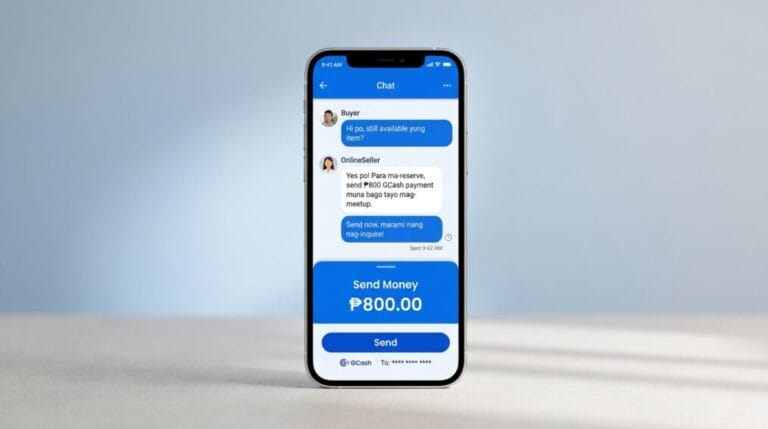
GCash and Maya as receiving wallets are, per GCash’s own help center, free to receive and claim from a remittance partner — GCash lists more than 80 international remittance partners that deposit straight into a GCash wallet, skipping the queue at a physical branch entirely. The fee you actually pay lives entirely on the sending side, so the receiving wallet being “free” doesn’t tell you anything about whether the sender picked a good deal.
Straight bank-to-bank wires make sense for large, infrequent transfers where you want the receiving bank’s fraud protections and don’t mind a 1-3 business day wait. For a routine monthly send, though, the flat wire fee plus a less transparent exchange rate usually make this the priciest of the mainstream options.
Cash-pickup networks (over-the-counter remittance centers) remain useful for a recipient who genuinely has no bank account or e-wallet, but they’re also where the new 1% US tax bites hardest if the sender is funding with cash at a US counter — and historically, this is also where informal, unregistered “padala” arrangements (a returning OFW hand-carrying cash, or an unlicensed local agent) have caused the most fee and safety problems, since there’s no institution actually accountable for the money in transit.
Worked Scenario: Sending $500 a Month From the US
Say you’re an OFW in California sending a consistent $500 home every month. Funding a Wise transfer from your linked US bank account costs roughly $4.18 per transfer at current pricing — about $50 a year. Funding the same $500 with a credit card instead jumps to roughly $33.83 per transfer, or about $406 a year — nearly $360 more annually for the same amount landing in pesos, just because of the funding method.
Now factor in the new US tax: if you instead walked into a remittance counter and paid with cash for that same $500, you’d owe the 1% federal excise tax — $5 per transfer, $60 a year — on top of whatever fee that counter already charges. Switch the funding to your debit card or bank account at the same counter, and that $60 a year disappears, because electronic funding is exempt. The lesson isn’t “always use Wise” specifically — it’s that the funding method you choose, not just the brand you pick, is now doing real work on your final cost.
Good to Know: If your bank offers “bill pay” or a remittance feature built into your existing account, it’s worth comparing its published rate against a dedicated app before assuming the app is automatically cheaper — some banks have gotten more competitive on this specific corridor.
How to Check If a Remittance Company Is Actually Legit
Before trusting any new app or storefront with a regular monthly send, confirm it’s actually authorized to operate as a money service business in the Philippines. The Bangko Sentral ng Pilipinas publishes and maintains a public list of BSP-registered Remittance and Transfer Companies and other money service businesses on its own site (bsp.gov.ph) — a legitimate operator should show up there, or should be a subsidiary/partner of an institution that does. If a “remittance agent” you’ve never heard of can’t point you to their BSP registration, or asks you to send cash through an unofficial hand-carry arrangement instead of a receipt-generating transaction, treat that as a red flag rather than a shortcut.
Sulit Tip: Keep the transaction reference number from every transfer you send or receive. It’s the fastest way to trace a delayed transfer, and it’s proof the money moved through a real, accountable channel rather than an informal one.
Also Worth Checking
Since your GCash or Maya wallet is likely where the pesos actually land, it’s worth locking down the account itself — see our breakdown of whether GCash’s GInsure scam protection is worth paying for. If you’re weighing a remittance app against a fintech lending option for the same household budget, our guide to whether online lending apps are worth it under the 2026 SEC rules covers the same “check if it’s actually registered” logic. And if part of your monthly budgeting also involves splitting a big purchase into installments, our Buy Now, Pay Later comparison walks through the real rates behind BillEase, Atome, Home Credit, and card installments. For more of this kind of value-first breakdown, head back to more sulit finds.
Verified Sources Used
Bangko Sentral ng Pilipinas, via Daily Tribune’s September 2026 report: Confirmed OFW remittances reached $20.39 billion in the first seven months of 2026, up 2.3% year-on-year, and the BSP’s own characterization of remittances as a key driver of household consumption.
Internal Revenue Service: Confirmed the 1% remittance transfer excise tax took effect January 1, 2026, applies to transfers funded by cash, money order, cashier’s check, or similar physical instruments, and that providers are responsible for collecting and remitting it.
Asian Journal: Confirmed the Department of Finance’s estimate that roughly 880,000 Filipinos using non-digital transfer methods could be affected, the projected $100 million annual reduction in remittances, and that electronic bank and card-funded transfers are exempt from the tax.
Wise: Confirmed current (September 20, 2026) fee amounts for a $500 USD-to-PHP transfer across direct debit, bank transfer, debit card, and credit card/digital wallet funding methods, and Wise’s stated 0% FX markup policy.
Western Union: Confirmed the current “$0 transfer fee” first-online-transfer promotion (up to $2,000) and the standing “$0 transfer fees” offer for transfers sent directly to a GCash wallet.
GCash Help Center and GCash: Confirmed that sending and claiming an international remittance into a GCash wallet is free, and that GCash partners with more than 80 international remittance services.
Bangko Sentral ng Pilipinas: Confirmed the BSP publishes a public registry of licensed Remittance and Transfer Companies and other money service businesses, used here as the basis for verifying a provider’s legitimacy.