Laundry Shop vs. Washing Machine at Home: Which Is Actually Sulit in the Philippines? (2026 Cost Guide)
Sulit verdict: If you already own a washing machine, keep using it — a home load costs roughly ₱10 to ₱15 in electricity and detergent, versus ₱50 to ₱90 per kilo at a Metro Manila laundry shop. If you don’t, a ₱6,500 to ₱12,500 top-load washer usually pays for itself within a year of twice-weekly laundry.
Laundry is one of those recurring costs Filipino households rarely sit down and actually compute — you either have a machine and never think about the electric bill it adds, or you drop off a bayong of clothes every week and never add up what that habit costs over a year. We pulled real November 2026 numbers — laundry shop per-kilo rates, Meralco’s current rate per kWh, and real retail prices for entry-level washing machines — to find out when paying per kilo is still sulit, and when it’s quietly draining your budget.
Laundry Shop vs. Washing Machine: The Real Cost Comparison
Here’s how the four most common laundry setups in the Philippines stack up on cost, based on real per-kilo and per-load pricing tracked as of late 2026.
| Laundry Method | Cost Structure | Typical Cost for a 5kg Load | Best Fit |
|---|---|---|---|
| Laundry shop (full-service wash-dry-fold) | ₱50–₱90 per kilo, varies by city/area | ₱250–₱450 | Renters, dorm/boarding-house residents, no space for a machine |
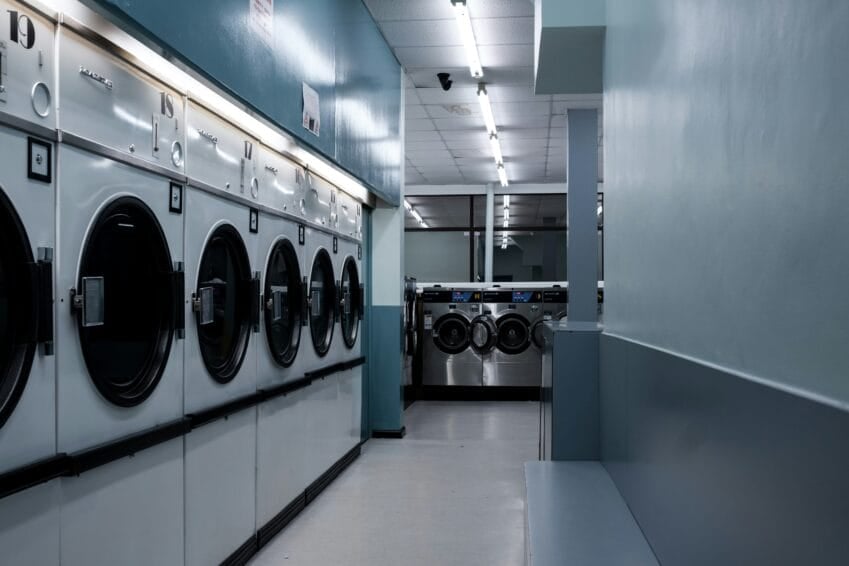
| Laundry shop (self-service/coin laundromat) | ₱80–₱120 per wash cycle + ₱60–₱100 per dry cycle (not per kilo) | ₱140–₱220 | Those with no machine who still want to supervise their own clothes |
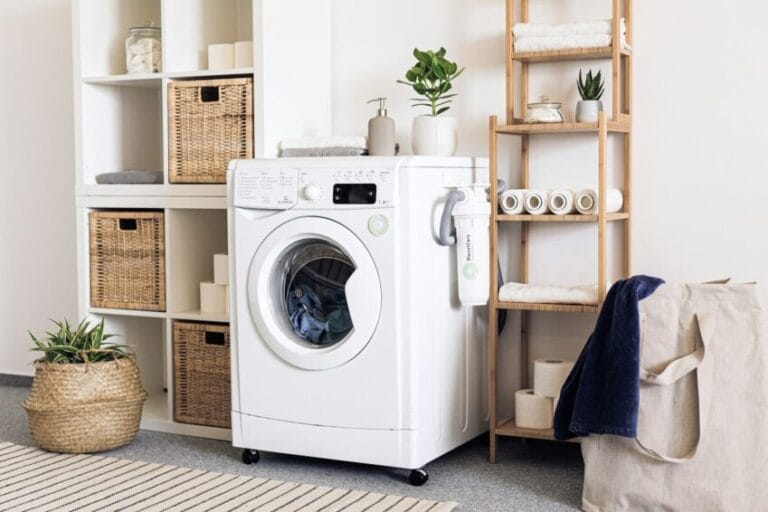
| Home washing machine (already owned) | Electricity + water + detergent per load | ₱20–₱35 | Households doing laundry twice a week or more |
| Home washing machine (new purchase, amortized) | Unit price + per-load running cost | ₱6,599–₱12,539 upfront, then ₱20–₱35/load | Households staying put long-term with steady laundry volume |
Sulit Tip: Laundry shops that price “per kilo” almost always round up and enforce a minimum (commonly 4–5 kg), so a single 2kg load can cost the same as a 5kg one. If you’re sending small batches often, you’re paying the minimum-weight premium every single time — that alone can tip the math toward owning a machine sooner than the headline per-kilo rate suggests.
Where the Home-Washing Numbers Actually Come From
A top-load washing machine typically draws 500 to 1,200 watts during operation, according to EcoFlow’s Philippine appliance wattage guide. A normal wash cycle (no water heater, which most Philippine households skip) runs on the lower half of that range for roughly 30–45 minutes, which works out to about 0.4–0.7 kWh per load. At Meralco’s November 2026 overall residential rate of ₱15.5510 per kWh — confirmed in Daily Tribune’s November 13, 2026 report on that month’s rate hike — that’s roughly ₱6 to ₱11 in electricity per load.
Add detergent and fabric softener. A sachet of powder detergent typically runs ₱10–₱20, based on retail pricing tracked by a 2026 Surf detergent pricing breakdown, plus another ₱8–₱15 for softener — call it ₱20–₱30 combined per load. Water usage per cycle is small enough (roughly 60–100 liters) that it barely moves a typical Metro Manila water bill, which sat around ₱283.71 for 10 cubic meters or less on Manila Water’s regular residential rate in early 2026, per Inquirer’s coverage of that rate adjustment — so we’ve left it out of the per-load total as a rounding error, not because it’s free.
Heads Up: Those are illustrative figures built from manufacturer wattage ranges and a published formula, not a lab-measured reading of a specific unit — your actual draw depends on the model, cycle length, and whether you use a heated wash. Check your own unit’s energy label or inverter rating if you want an exact number.
Who Should Just Stick With the Laundry Shop
The math above favors ownership for anyone doing regular laundry — but it assumes you can actually own a machine where you live, and that’s not everyone’s situation. A laundry shop is still the better call if:
- You’re renting a small unit or boarding house with no space, no water line, or a lease that bars appliance installation.
- You do laundry rarely — once every two to three weeks or less — since a machine’s upfront cost takes far longer to recover at that pace.
- You need delicates, dry cleaning, or large items handled — comforters, curtains, and suits aren’t a fair fight for a basic home washer anyway.
- You’re only in that address short-term — a few months of renting isn’t enough runway to hit break-even on a new unit.
Worked Scenario: Laundry Twice a Week
Say a household does an average 5kg load twice a week — 8 loads a month. Here’s what each path actually costs over that month, and how fast a new machine pays for itself.
Full-service laundry shop: 5kg × ₱70/kg (midpoint of the ₱50–₱90 range) = ₱350 per load × 8 loads = ₱2,800 a month.
DIY at home: roughly ₱9 electricity + ₱25 detergent/softener = ₱34 per load × 8 loads = about ₱272 a month in running costs, once you already own the machine.
That’s a monthly gap of roughly ₱2,528 in favor of owning a machine. Against a mid-range entry-level top-load washer — ₱6,599 to ₱12,539 as listed on Shopee and Lazada via price-comparison site iPrice/BigGo, observed November 29, 2026 — the unit pays for itself in roughly 2.5 to 5 months of twice-weekly laundry at full-service shop rates.
Compared against a coin laundromat instead (around ₱180 per 5kg load for wash plus dry, versus ₱34 DIY), the monthly savings drop to about ₱1,168, pushing break-even out to roughly 6 to 11 months — still well within a single year for most households.
Good to Know: This scenario assumes you already have somewhere to install a machine and don’t need to pay for plumbing or electrical work first. Add those one-time costs to the unit price before judging your own break-even point.
What Neither Side Advertises
A laundry shop’s per-kilo rate hides the cost of your time spent dropping off and picking up, and the risk of mixed-up or damaged items during peak season. A home washing machine hides ongoing maintenance — a worn belt, a clogged drain pump, or a motor repair a few years in — plus the detergent and softener spend that’s easy to lose track of because it comes out of the regular grocery budget instead of a separate laundry line item.
Heads Up: Philippine law requires businesses that charge by weight to use accurate, calibrated measuring instruments, under the weights-and-measures provisions of Republic Act No. 7394, the Consumer Act of the Philippines. If a laundry shop’s per-kilo total looks off, you’re within your rights to ask to see your load weighed before you pay.
Frequently Asked Questions
How much does a laundry shop charge per kilo in the Philippines in 2026?
Full-service wash-dry-fold typically runs ₱50 to ₱90 per kilo in Metro Manila, varying by area, with most shops enforcing a 4–5 kg minimum per load. Self-service coin laundromats charge per cycle instead — roughly ₱80–₱120 to wash and ₱60–₱100 to dry.
Is it actually cheaper to wash clothes at home than to use a laundry shop?
Yes, once you own a machine. A 5kg home load costs roughly ₱20–₱35 in electricity, detergent, and softener, versus ₱250–₱450 for the same load at a full-service laundry shop. The gap narrows against a coin laundromat but DIY is still cheaper per load.
How long does it take for a washing machine to pay for itself?
For a household doing laundry twice a week, an entry-level top-load unit (₱6,599–₱12,539) typically pays for itself in 2.5 to 5 months against full-service laundry shop rates, or roughly 6 to 11 months against a coin laundromat.
Does a top-load or front-load washing machine cost more to run?
Front-load machines generally use less water and can be more energy-efficient on cold cycles, but both types draw similar peak wattage, and the real cost difference shows up mainly when a heater is involved — something most Philippine households skip entirely.
Is self-service (coin) laundry cheaper than full-service wash-dry-fold?
Usually, yes, per load — a 5kg coin-laundry cycle (wash plus dry) tends to land around ₱140–₱220, versus ₱250–₱450 for the same weight at a full-service shop, because you’re not paying for the folding and handling labor.
What should I check before trusting a laundry shop’s per-kilo weight?
Ask to see your load weighed on the shop’s scale before payment. Businesses that charge by weight are required under Philippine weights-and-measures law to use calibrated instruments, so a shop that resists showing you the scale reading is worth a second look.
Also Worth Checking
If you’re running the numbers on one household cost, it’s worth checking the others too. Our water refilling station vs. bottled delivery guide runs the same kind of per-use math for drinking water, our air fryer electricity cost guide breaks down exactly how much a small kitchen appliance really adds to your Meralco bill, and our home gym vs. gym membership break-even guide uses the same buy-vs-pay-per-use approach for fitness instead of laundry.
Verified Sources Used
LaundryAtlas: Confirmed typical full-service (₱50–₱90/kg) and self-service (₱80–₱120 wash, ₱60–₱100 dry) laundry pricing across Metro Manila areas, published March 2026.
Daily Tribune: Confirmed Meralco’s November 2026 overall residential electricity rate of ₱15.5510 per kWh, up from ₱15.0615 in October.
EcoFlow Philippines: Confirmed typical top-load (500–1,200W) and front-load (400–1,000W) washing machine wattage ranges used to estimate per-load electricity cost.
Inquirer: Confirmed Manila Water’s regular residential rate of approximately ₱283.71 for 10 cubic meters or less, effective Q1 2026.
Surf detergent pricing guide: Confirmed typical sachet powder detergent pricing of ₱10–₱20 used to estimate per-load detergent cost.
Republic Act No. 7394 (LawPhil): Confirmed the Consumer Act’s weights-and-measures requirements for businesses that charge by weight.