
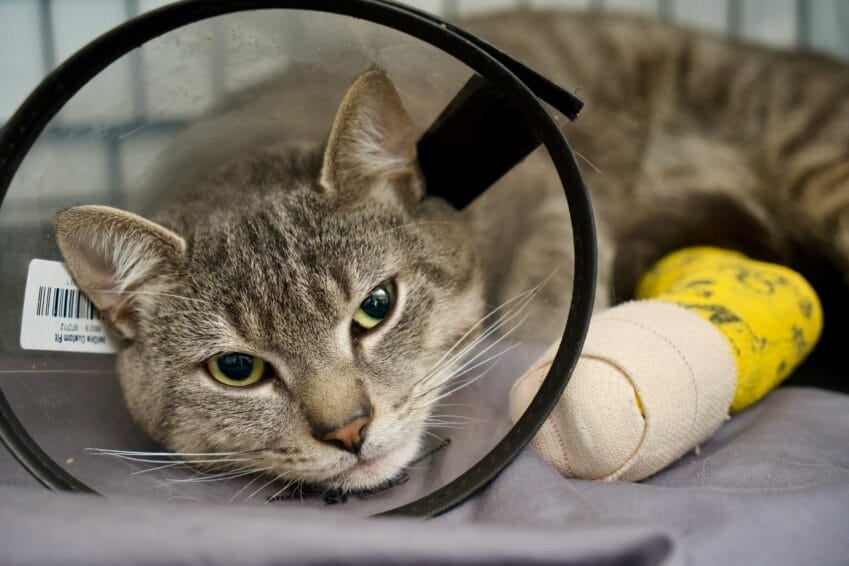
Is Pet Insurance Worth It in the Philippines? (2026 Guide)
Sulit verdict: Worth it if your dog or cat is young, healthy, and you don’t already have a few months of “vet emergency fund” set aside — a single bad accident or a week of hospitalization can easily run ₱20,000 to ₱50,000, and a decent plan costs less than a bag of premium kibble a month. It’s a weaker buy for an older pet, since pre-existing conditions (the thing most likely to actually cost you money as a pet ages) are exactly what every policy excludes. Buy it while your pet is healthy, or don’t bother buying it at all.
Pet insurance is still a new idea for most Filipino pet owners, and the category barely exists on pricing comparison sites the way car or health insurance does. That gap is part of the problem: people either don’t know it’s available beyond a GCash pop-up ad, or they assume it works like human HMO and get surprised later by what it excludes. It’s also arriving at a real moment — more Filipino households are keeping dogs and cats as actual family members rather than yard animals, vet clinics in Metro Manila have gotten noticeably more expensive, and the products themselves (Cebuana Lhuillier, Malayan, BDO, Standard Insurance, and a handful of others) have quietly built out real policies with real fine print.
As of October 2026, here’s what the actual Philippine pet insurance market looks like, what real vet bills look like for comparison, and how to tell if your specific dog or cat is a good candidate for a policy or not.
Who Actually Sells Pet Insurance in the Philippines Right Now
Only dogs and cats are insurable under current Philippine pet insurance products — no exotics, no birds, no hamsters. Within that, the lineup is small but real, and each insurer prices and limits things differently enough that “pet insurance” isn’t really one product:
| Provider | Annual Premium | Coverage Highlights | Eligible Pets |
|---|---|---|---|
| Cebuana Lhuillier PetCare | ₱900 (Option 1) or ₱2,300 (Option 2) | Medical reimbursement up to ₱10,000 or ₱17,500 per occurrence; ₱10,000 or ₱75,000 annual aggregate; owner’s liability and ₱5,000 burial assistance included | Dogs, 6 months–8 years |
| Malayan Pet Care (classic annual plan) | From ₱2,995 | Medical reimbursement up to ₱100,000; owner’s personal accident cover up to ₱50,000 | Dogs, 6 months–8 years, must have current anti-rabies vaccination |
| Malayan “Pet Insure” via GCash GInsure | From ₱650 for a 1-month term (3-, 6-, 9-, 12-month options also sold) | Medical reimbursement up to ₱100,000; owner’s liability up to ₱250,000; owner’s personal accident up to ₱50,000 | Dogs, purebred or “aspin” (mixed-breed) |
| BDO Pet Dog & Cat Insurance | ₱560–₱920 | Accident and medical expense cover; entry-tier plan caps around ₱15,000 per accident | Dogs and cats, all breeds |
| Standard Insurance Pet Health | From ₱3,960 (puppy/kitten/adult); from ₱5,860 (senior) | Consultations, surgery, hospitalization, diagnostics, and medical reimbursement | Dogs and cats, 8 weeks–9 years |
| Metropolitan Pet Insurance | From ₱1,125 | Accidental death up to ₱50,000; medical assistance up to ₱10,000; burial ₱5,000; lost-pet benefit ₱10,000 | Dogs and cats, all breeds |
| Cocogen Pet Furtect | Custom quote (tiered plans with optional add-ons) | Medical reimbursement, accidental death, burial, and lost-pet advertising benefits | Dogs and cats, 5 months–7 years, up to 3-breed mixes |
| Liberty MePets | From ₱2,064 | Accident death/disability, medical reimbursement, burial assistance, lost-pet benefit, and owner accident/death cover | Dogs and cats |
Cebuana Lhuillier, Malayan, and Cocogen are all non-life insurers holding a valid Certificate of Authority from the Insurance Commission, which is the regulator that actually oversees these products — worth checking directly on the Insurance Commission’s own site for any provider before you pay, since “pet insurance” ads circulate on social media from resellers who aren’t the underwriter.
Sulit Tip: Premiums and benefit limits in this category change often and get sold through third-party channels (GCash, Cebuana branches, bank apps) that sometimes show outdated pricing. Treat every number above as a starting point for your own quote, not a locked-in rate — always confirm current pricing directly with the insurer before deciding.
What Every Policy Leaves Out
The coverage tables look generous until you read the exclusions, which are fairly consistent across providers:
- Pre-existing conditions. Anything your pet already had, or showed symptoms of, before the policy started — this is the single biggest reason to buy early rather than waiting until your pet is already sick or visibly aging.
- Routine and preventive care. Vaccinations, deworming, and general wellness checkups are typically not covered under the base medical-reimbursement benefit — these plans are built for accidents and illness, not routine upkeep.
- Breeding-related costs and cosmetic procedures. Neither is considered a covered medical event.
- Pets used commercially or in high-risk roles. Fighting, stunt work, security, or police/military duty voids coverage across every provider that lists exclusions publicly.
- Age caps on both ends. Most policies only accept pets between roughly 6 months/8 weeks and 7–9 years old, which already screens out the oldest, highest-risk animals from ever qualifying in the first place.
Heads Up: That age cap is the quiet catch in the whole category. Insurers accept young, lower-risk pets and exclude pre-existing conditions, which means the pets most likely to need an expensive claim — older animals with an emerging condition — are the hardest to insure or the most likely to have that exact condition excluded. Pet insurance works best as a decision you make early, not a rescue plan you reach for once something’s already wrong.
What Real Vet Bills Actually Cost in the Philippines
To know whether a ₱900–₱5,860 annual premium is worth paying, you need a sense of what you’re insuring against. These are typical Metro Manila ranges, not worst-case numbers:
| Service | Typical Cost Range |
|---|---|
| Consultation | ₱300 – ₱1,500 |
| Core vaccines (per shot) | ₱250 – ₱600 |
| Spay (dog) | ₱3,000 – ₱8,000 |
| Spay/neuter (cat) | ₱1,000 – ₱3,500 |
| Dental cleaning | ₱2,500 – ₱10,000 |
| Emergency visit | ₱2,000 – ₱15,000+ |
| Non-emergency surgery | ₱5,000 – ₱50,000+ |
| Hospitalization / confinement | ₱800 – ₱2,500 per day |
Stack a few of those together — an emergency visit, diagnostics, a few days of confinement, and surgery — and a single bad event can land anywhere from ₱20,000 to well past ₱50,000. That’s the number a policy with a ₱75,000 or ₱100,000 aggregate limit is actually built to absorb.
Worked Scenario: A 1-Year-Old Aspin and a Hit-by-Motorcycle Accident
Say you adopted a mixed-breed puppy a year ago and just insured her under Cebuana Lhuillier’s Option 2 (₱2,300/year, ₱17,500 per-occurrence limit, ₱75,000 annual aggregate). Eight months later, she’s clipped by a motorcycle in the street and comes home with a fractured leg.
A realistic bill for that kind of accident — emergency exam, X-rays, orthopedic surgery, a few days of confinement, and follow-up medication — lands somewhere in the ₱25,000–₱40,000 range based on the cost ranges above. Against a ₱17,500 per-occurrence limit, the policy wouldn’t cover the full bill, but it would absorb roughly half to two-thirds of it — turning a potential debt-driven emergency into a more manageable top-up. Over that same year, you paid ₱2,300 for the policy to exist at all, whether or not anything happened.
Now run the alternative: no insurance, same accident, same bill, paid entirely out of pocket or on a high-interest loan or pawned item because the ₱25,000–₱40,000 wasn’t sitting in savings. That’s the actual comparison pet insurance is selling — not “will I ever use this,” but “if something happens, do I want a ₱2,300-a-year hedge or a scramble.”
Good to Know: If you’d rather self-insure, the practical alternative is parking the equivalent of 2–3 years of premiums (roughly ₱5,000–₱7,000 for a mid-tier plan) in a separate savings account earmarked “pet emergency fund” and topping it up yearly. That only works if you actually leave it untouched — the whole point of insurance is removing that willpower problem.
Who Should Buy It, and Who Should Skip It
Pet insurance is a reasonable buy if your pet is young to middle-aged with no diagnosed conditions yet, you don’t have a dedicated emergency fund that could absorb a ₱30,000+ vet bill without real financial stress, you have a breed with known higher-risk conditions (certain purebred dogs prone to hip or joint issues, for instance), or you simply want a fixed, predictable annual cost instead of an unpredictable one.
It’s a weaker buy if your pet is already past most insurers’ age cutoff or has an existing diagnosed condition that would be excluded anyway, you already keep a genuine emergency fund that specifically covers unexpected vet costs, or your pet rarely leaves a controlled, low-risk environment and you’re comfortable with the lower statistical odds of a major claim.
Frequently Asked Questions
Can I insure an older dog or cat in the Philippines?
Usually not past a certain age. Most providers cap new enrollment somewhere between 7 and 9 years old (some HMO-style add-ons cut off earlier), and any condition your pet already shows signs of before the policy starts won’t be covered anyway. The product is built for insuring early, not for rescuing a plan after a pet is already older or already sick.
Does pet insurance cover vaccinations and regular checkups?
No, not under the base medical-reimbursement benefit most providers sell. These policies are built around accidents and illness, not routine preventive care — vaccines, deworming, and annual wellness visits are typically an out-of-pocket cost whether or not you’re insured.
Which companies are actually licensed to sell pet insurance in the Philippines?
Malayan Insurance, Standard Insurance, and Cocogen Insurance are non-life insurers holding a valid Certificate of Authority from the Insurance Commission. Since pet insurance is also marketed through resellers and social media pages, it’s worth confirming directly with the Insurance Commission or the insurer itself that whoever is selling you a policy is actually authorized to do so before you pay anything.
Also Worth Checking
If you’re going through your household’s insurance lineup more broadly, our breakdown of whether getting your own HMO is worth it walks through a nearly identical “protection product vs. real cost” decision for humans instead of pets. Planning a trip with your pet or without one, our guide to whether travel insurance is worth it for Filipino travelers uses the same framework. And if you’re also weighing coverage for the car that might be the thing hitting someone’s pet, or yours, see whether comprehensive car insurance is worth it in the Philippines. For more of this kind of value-first breakdown, head back to more sulit finds.
Verified Sources Used
Cebuana Lhuillier: Confirmed PetCare’s own published pricing (₱900 and ₱2,300 annual options), per-occurrence and aggregate coverage limits, eligible pet age range, and listed exclusions, directly from the insurer’s product page.
Manila Bulletin: Confirmed Malayan Insurance’s “Pet Insure” product sold through GCash’s GInsure, including the ₱650 starting price for a one-month term and the ₱100,000 medical reimbursement, ₱250,000 owner’s liability, and ₱50,000 personal accident limits.
Spot.ph: Confirmed premium and coverage figures for BDO Pet Dog & Cat Insurance, Cocogen Pet Furtect, Liberty MePets, Metropolitan Pet Insurance, Malayan’s classic annual Pet Care plan, and Standard Insurance’s Pet Health plan.
McDuffy & Co.: Confirmed typical Philippine cost ranges for vaccinations, spay/neuter surgery, dental cleaning, emergency visits, and non-emergency surgery.
ClinicFinderPH: Confirmed Metro Manila consultation fee ranges, cat spay/neuter pricing, and daily hospitalization/confinement rates.
Insurance Commission of the Philippines: Confirmed that Malayan Insurance, Standard Insurance, and Cocogen Insurance (formerly UCPB General Insurance) are non-life insurers holding a valid Certificate of Authority.