Car, Bus, Ferry, or Plane: What’s Actually Sulit for Your Trip Home This Christmas? (2026 Philippines Guide)
Sulit verdict: If three or more of you are traveling together in your own car, driving home is usually the cheapest option this Christmas, even with 2026’s higher tolls and pump prices. Solo or as a pair, a seat-sale flight or an aircon bus almost always beats the per-person cost of gas and tolls.
Every peso of this year’s trip home costs more than last year’s. Pump prices, provincial bus fares, and expressway tolls all went up in 2026, and LTFRB has already shown (during last year’s Christmas rush) that it’s willing to step in on ride-hailing pricing too. None of that makes the “sulit” answer obvious — it just means the math changed, and guessing which option is cheapest for your specific trip is now more likely to cost you money than it used to be.
As of November 7, 2026, here’s what’s actually driving the cost of each option, a real worked example using this year’s fuel and toll prices, and how to decide without guessing.
Car, Bus, Ferry, or Plane: The 2026 Cost Picture at a Glance
| Mode | What Mainly Drives the Cost | What Changed in 2026 | Best For | Biggest Risk This Season |
|---|---|---|---|---|
| Your own car | Fuel + tolls, split across everyone in the vehicle | Gasoline and diesel both up double digits per liter year-to-date; SLEX/STAR tolls rose January 1, 2026 | Groups of 3 or more going to the same place | Dec 23–24 expressway gridlock; a 4-hour trip becoming 9+ |
| Provincial bus | Per-seat fare set by LTFRB’s official matrix | LTFRB-approved fare hike took effect March 14, 2026 | Solo travelers and budget-conscious couples | Sold-out seats and standing-room-only buses during peak exodus dates |
| Ferry (2Go, fast craft) | Per-seat/cabin fare, usually cheapest for long inter-island hops | Fares vary by promo; no fixed 2026 holiday sale confirmed as of this writing | Visayas/Mindanao routes where flying is pricier than the mainland | Weather cancellations stacking bookings during Amihan season |
| Budget flight | Base promo fare + baggage, seat, and peak-date surcharges | Seat sale windows shrink and prices firm up fastest for Dec 20–26 and Jan 2–4 dates | Long distances (Mindanao, Visayas) when booked weeks ahead | Booking late and paying walk-up fare instead of a promo fare |
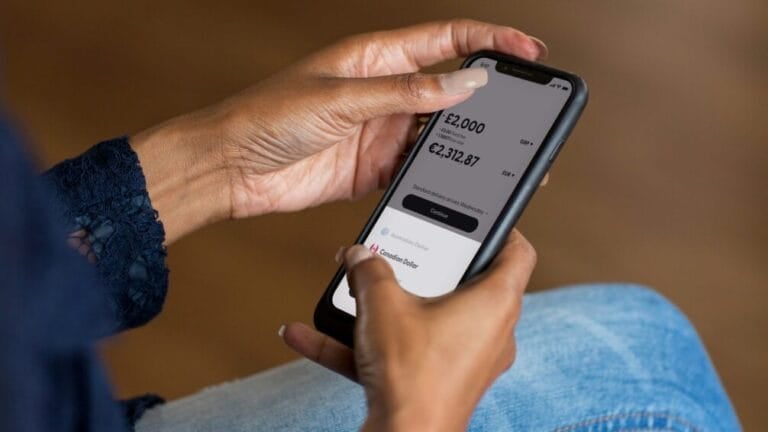
| Grab/ride-hailing (short/last-mile legs) | Per-km fare plus any active surge multiplier | LTFRB imposed a fixed “pick-up fare” and cut the surge cap by half during the Dec 20, 2025–Jan 4, 2026 rush | Getting to/from the terminal, not the whole trip | Assuming no similar cap applies this year without checking first |
Heads Up: The exact LTFRB holiday circular for this specific Christmas (2026) hadn’t been published as of this writing — but LTFRB has run a version of the fixed pick-up fare and surge cap cut every holiday season for at least the last two years, including a July 2026 memo making the fixed pick-up-fare system more permanent. Check ltfrb.gov.ph or the LTFRB’s official Facebook page in the next few weeks for this year’s version before you assume ride-hailing will be uncapped.
Why Everything Costs More This Christmas: The Real 2026 Numbers
This isn’t a vague “inflation” story — three specific, verifiable things changed in 2026, and each one hits a different mode of transport.
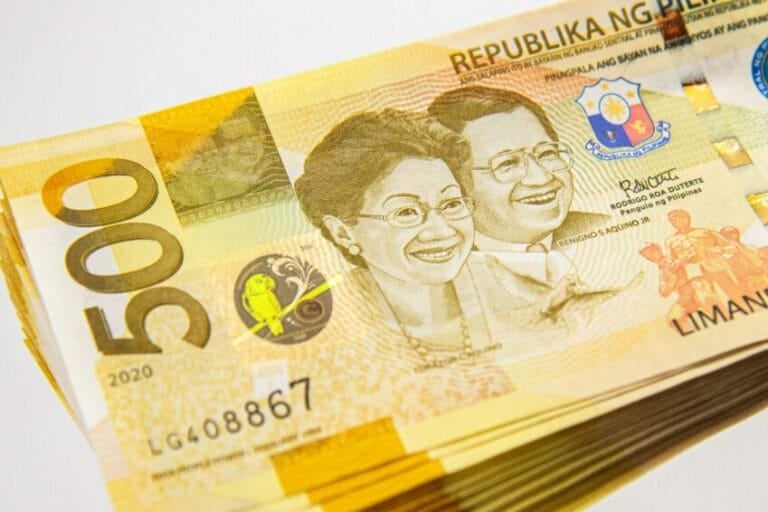
Fuel. As of the week of November 3–9, 2026, the Metro Manila station-weighted average was ₱91.77 per liter for unleaded gasoline and ₱94.46 per liter for diesel, per GasWatch PH’s tracker, which blends the Department of Energy’s weekly price advisory with driver-reported station prices (actual pump prices vary by station and brand). On top of that day-to-day number, GMA News reported that, per the DOE’s own approved adjustments, gasoline had already risen a net ₱68.55 per liter and diesel a net ₱65.63 per liter year-to-date as of October 27, 2026, before the latest November 3 adjustment (gasoline up another ₱3.50/L that week; diesel down ₱1.00/L).
Provincial bus fares. LTFRB approved a provisional fare hike that took effect March 14, 2026: ordinary buses went up ₱1.00 on the base fare plus ₱0.30 for every kilometer after that; air-conditioned, deluxe, and super-deluxe buses went up ₱0.35/km; luxury buses went up ₱0.45/km, per the Philippine Star and BusinessWorld’s coverage of the approved fare guide. The resulting fare for the first 5 kilometers is now ₱12.00 (ordinary), ₱12.25 (air-conditioned), ₱13.00 (deluxe), ₱13.50 (super-deluxe), and ₱16.75 (luxury) — your full-route fare for a specific trip is set by the operator’s posted matrix for that route, not by extending this per-km rate yourself.
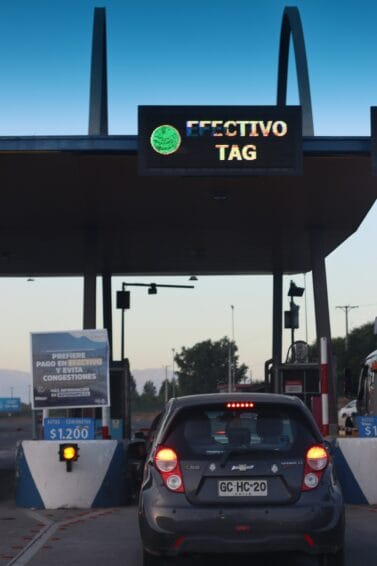
Tolls. The Toll Regulatory Board approved a toll hike on SLEX and the STAR Tollway effective January 1, 2026, per GMA News: for a regular car (Class 1), Alabang to Calamba rose to ₱126 (+₱10), Calamba to Sto. Tomas to ₱34 (+₱3), STAR’s Sto. Tomas–Lipa section to ₱60 (+₱5), and Lipa–Batangas to ₱53 (+₱4). NLEX tolls were also raised in January 2026, though we couldn’t confirm an exact per-segment figure for this guide — check nlex.com.ph‘s own toll matrix for your specific route before you budget your trip.
Worked Scenario: Driving a Family of 4 From Manila to Batangas
Say you’re driving a sedan that averages roughly 12 km/L, taking SLEX and STAR to Batangas City (about 120 km one-way, 240 km round trip) — a common Christmas-break route.
Fuel: 240 km ÷ 12 km/L ≈ 20 liters. At this week’s ₱91.77/L average for unleaded, that’s roughly ₱1,835 round trip for fuel alone.
Tolls: Using the current Class 1 rates above (₱126 + ₱34 + ₱60 + ₱53 = ₱273 one-way), a round trip comes to roughly ₱546.
Total for the car: around ₱2,381 round trip, split across however many people are in the vehicle. For a family of 4, that’s roughly ₱595 per person — before parking, food stops, or the toll-booth traffic you’ll likely sit in on December 23 or 24.
Compare that to four individual provincial bus or van tickets for the same route: even at a modest aircon fare per seat, four separate fares for a ~120 km trip will often land in a similar range per person once you account for the operator’s full posted fare (not the bare per-km formula above) — so for a full car, the deciding factor usually isn’t the sticker price at all. It’s whether you’d rather sit in exodus traffic with full control of your schedule, or pay roughly the same and let someone else drive while you nap.
Sulit Tip: Run this same math for your own route before deciding — distance, your car’s real fuel consumption, and your specific toll gates all change the answer. A short Metro Manila-to-Tagaytay run favors the car far more heavily than a 400+ km trip to Bicol, where fuel and driver fatigue stack up fast and a budget flight or ferry starts winning even for small groups.
Who Should Actually Drive, Who Should Fly, and Who Should Just Take the Bus
Driving wins when you’re a group of 3+ heading to the same nearby-to-mid-distance destination, you own the car outright (no rental fees stacking on top), and you’re willing to trade a longer travel time for door-to-door convenience and not depending on a seat being available. It stops winning once the distance requires an overnight drive or a roll-on/roll-off ferry crossing — at that point your “free” driver’s time and fatigue become the real cost.
Flying wins for Visayas and Mindanao trips booked at least 3–4 weeks out, when a seat-sale fare is still available and your return date is fixed and non-negotiable. It stops winning if you’re booking during the last week of December walk-up, when promo inventory is gone and you’re paying full fare plus checked-baggage fees on top.
The bus (or a shared van/UV Express) wins for solo travelers and couples on routes under roughly 300 km, where the per-seat fare beats your share of fuel and tolls, and you don’t need the flexibility of your own vehicle. It stops winning if you’re traveling with a lot of pasalubong and cargo — provincial buses cap your baggage, and excess bags usually cost extra per piece.
Good to Know: Ride-hailing apps make the most sense only for the “last mile” — getting from your house to the bus terminal, airport, or pier, not for the whole provincial leg. Treat any LTFRB fixed pick-up fare or surge cap as a measure that protects that short first/last leg, not a sign that a 100+ km Grab ride is suddenly affordable.
Before You Book: Watch for Fake Tickets and “Guaranteed Seat” Resellers
Every Christmas rush, Facebook groups and marketplace listings fill up with people reselling “guaranteed” bus, ferry, and even flight seats at a markup — some legitimate (a changed plan), many not. If a seller is asking for full payment via a personal GCash number before sending any booking confirmation number you can verify directly with the airline, bus line, or 2Go, treat it the same way you’d treat any other too-good-to-be-true online deal: don’t pay until you can confirm the booking independently. Our online shopping scams guide covers the exact red flags (urgency pressure, no verifiable account, off-platform payment only) that apply just as much to a “sold out” bus ticket as to a gadget deal.
What to Do Next
- Map your real route and distance. Use that to roughly estimate fuel cost (your car’s actual km/L, not a guess) and check the toll operator’s posted matrix for your specific segments.
- Price at least two modes for the same trip — your car’s fuel+toll total against an actual bus operator’s or airline’s posted fare for your exact travel dates, not a generic “around ₱X” figure from memory.
- Book early if you’re flying or taking a long-haul bus. Seat-sale and promo-fare inventory for December 20–26 and January 2–4 dates disappears first.
- Confirm any booking through the operator’s own site or official hotline before paying a reseller, especially for routes that are already showing as “sold out.”
- Check LTFRB’s official channels in early-to-mid December for this year’s holiday fare circular if you’re relying on Grab or another ride-hailing app for any leg of the trip.
Also Worth Checking
If part of your decision is how to fund the trip itself, our 13th month pay guide breaks down how much of that lump sum is actually sulit to put toward travel versus debt or savings. If a long trip home doesn’t pencil out this year, our budget staycations near Manila guide is a lower-cost alternative that still gets you a break. And if you’re also timing a big purchase around this year’s shopping sales before you travel, check our Shopee, Lazada & TikTok Shop sale calendar for the dates that matter most. For more of this kind of value-first breakdown, head back to more sulit finds.
Frequently Asked Questions
Is it cheaper to drive or take the bus home for Christmas in the Philippines?
It depends on your group size and distance. For 3 or more people going the same place over a short-to-mid distance (under roughly 300 km), driving your own car is usually cheaper per person once you split fuel and tolls. Traveling solo or as a pair, or going a longer distance, a bus or budget flight ticket usually costs less per person than your share of gas and tolls.
How much have gas prices gone up in the Philippines in 2026?
As of October 27, 2026, gasoline had risen a net ₱68.55 per liter and diesel a net ₱65.63 per liter year-to-date, per the Department of Energy’s approved adjustments reported by GMA News. Prices continue to move weekly, so check the current DOE advisory or a live tracker before budgeting a trip.
Did LTFRB increase provincial bus fares in 2026?
Yes. LTFRB approved a provisional fare hike effective March 14, 2026 — ordinary buses rose ₱1.00 on the base fare plus ₱0.30 per kilometer after that, with larger per-kilometer increases for air-conditioned, deluxe, super-deluxe, and luxury classes. The resulting first-5-km fare is ₱12.00 for ordinary buses.
Will Grab be more expensive this Christmas in the Philippines?
Last Christmas season (December 20, 2025–January 4, 2026), LTFRB imposed a fixed per-kilometer “pick-up fare” for ride-hailing services and cut the surge pricing cap by 50% during the holiday rush. LTFRB has repeated similar measures in past holiday seasons and made the fixed pick-up-fare system more permanent in July 2026, so expect some version of it again, but confirm the exact 2026 Christmas circular on LTFRB’s official channels closer to the date.
Did toll rates go up on SLEX and NLEX in 2026?
Yes. The Toll Regulatory Board approved a toll hike on SLEX and the STAR Tollway effective January 1, 2026 (for example, Alabang to Calamba for a regular car rose ₱10 to ₱126). NLEX tolls were also increased in January 2026 — check the operator’s own toll matrix for the exact rate on your specific route.
Is flying home for Christmas in the Philippines worth it if I book late?
Usually not, for budget carriers. Seat-sale and promo fares for the December 20–26 and January 2–4 travel windows sell out first, and late bookings typically default to a walk-up fare plus full baggage and seat fees. If flying is your best option for a Visayas or Mindanao trip, booking at least 3–4 weeks ahead is what actually makes it sulit.
Verified Sources Used
GasWatch PH: Confirmed the Metro Manila station-weighted average pump price for unleaded gasoline (₱91.77/L) and diesel (₱94.46/L) for the week of November 3–9, 2026.
GMA News: Confirmed the DOE-approved per-liter fuel price adjustment effective November 3, 2026, and the year-to-date net change in gasoline and diesel prices as of October 27, 2026.
The Philippine Star and BusinessWorld: Confirmed the LTFRB-approved provincial bus fare hike effective March 14, 2026, including the peso increases and resulting first-5-km fares by bus class.
GMA News: Confirmed the Toll Regulatory Board-approved SLEX and STAR Tollway toll rate increase effective January 1, 2026, with specific Class 1 segment rates.
GMA News: Confirmed LTFRB’s fixed pick-up fare and 50% surge-cap reduction for ride-hailing services during the December 20, 2025–January 4, 2026 holiday rush, under LTFRB Memorandum Circular 2025-058.