Is a Dehumidifier Worth It in the Philippines? (2026 Buying Guide)
Sulit verdict: Conditional yes — but only for specific rooms, not your whole house. If you’ve got a ground-floor unit, a windowless storage room, a closet full of leather bags or important documents, or a laundry area where wet clothes dry indoors during the rainy season, a dehumidifier earns its keep. If you’re just trying to make an aircon-cooled bedroom feel less “mahalumigmig,” try the free and near-free fixes first (better ventilation, your aircon’s dry mode, a ₱100-ish moisture absorber tub) before spending four figures on a dedicated machine.
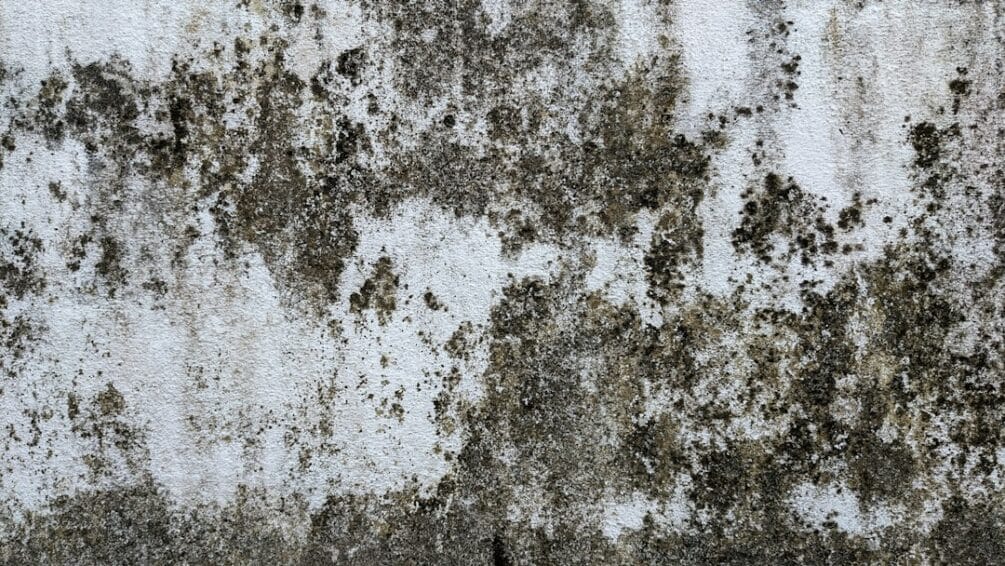
September is, on paper, the most humid month of the year in the Philippines — the Philippine Atmospheric, Geophysical and Astronomical Services Administration (PAGASA) puts average relative humidity at 85% in September, against 71% in the driest month of March. That’s not a “feels like” number; it’s the actual moisture content of the air, and it’s why towels won’t dry, why leather starts smelling musty, and why that corner behind the cabinet grows a green film if nobody checks it for a few weeks. The question this guide answers isn’t “does humidity control help” — it obviously does — it’s whether an actual electric dehumidifier is the sulit way to get there, or whether you’re better off spending less on something else first.
How Humid Is “Too Humid,” Actually
Indoor comfort and mold-prevention guidance generally puts the sweet spot at 45% to 55% relative humidity. Above roughly 60%, dust mites and mold spores start thriving; below about 30%, the air gets uncomfortably dry (rarely a Philippine problem outside heavily air-conditioned offices). With PAGASA’s outdoor average sitting at 85% for the month this guide was published, most naturally ventilated Philippine homes are running well above the comfortable range for a good chunk of the year — especially June through November, PAGASA’s rainy season window.
That doesn’t mean every room in your house needs intervention. A bedroom that runs aircon for 6-plus hours a night is already getting dehumidified as a side effect of cooling (more on that below). The rooms that actually stay humid are the ones air rarely moves through: interior storage rooms, ground-floor units near soil or unsealed concrete, walk-in closets, and laundry areas where damp clothes hang indoors during a storm.
What a Dehumidifier Actually Does (and the 3 Types Sold Here)
A dehumidifier pulls moisture out of the air and collects it in a tank (or drains it through a hose), lowering relative humidity in an enclosed space. Three types are sold in the Philippine market, and they’re not interchangeable:
| Type | How It Works | Typical Capacity | Best For |
|---|---|---|---|
| Compressor (refrigerant) | Draws air over cold coils to condense moisture out, like a mini air-conditioner | 10–50+ liters/day | Whole rooms, tropical humidity — the dominant type sold locally |
| Desiccant | Uses a moisture-absorbing material (silica gel or similar) that air passes through | 5–20 liters/day | Cooler, less humid conditions — less efficient in Philippine heat |
| Peltier (thermoelectric) / disposable tub | Small thermoelectric unit or a passive moisture-absorbing crystal tub, no compressor | 0.3–2.5 liters/day (or passive) | Closets, cabinets, gun safes, small enclosed spaces — not a room solution |
Compressor units dominate local retail for a simple reason: they’re the only type that performs well in genuinely hot, humid conditions, which describes basically every Philippine rainy-season day. Desiccant and peltier units still have a place — just a much smaller one than a whole bedroom.
Sulit Tip: Match capacity to room size, not to the biggest number on the box. As a rough guide, a small room (under 15 sqm — a closet, a small home office) is usually fine with a compact 2–10 liters/day unit, while a medium room (15–30 sqm, a typical bedroom or living area) needs roughly 12–20 liters/day of extraction capacity to make a real dent. Buying a 30L unit for a 12-sqm room doesn’t dehumidify faster — it just runs less often, which mostly cancels out the higher price you paid for the extra capacity.
What Dehumidifiers Actually Cost in the Philippines
Based on current listings from Philippine retailers and comparison sites, prices span a wide range depending on type and capacity:
| Category | Example | Indicative Price |
|---|---|---|
| Disposable moisture-absorber tub (non-electric) | Small closet/cabinet tubs | ₱52 – ₱200 |
| Compact electric (peltier/desiccant, 1–2.5L) | Simplus, Lenodi, Deerma-type units | ₱1,400 – ₱5,200 |
| Mid compressor unit (~12L/day) | Cherry Pro, Carrier 12L | ₱7,500 – ₱16,000 |
| Large compressor unit (20–30L/day) | Condura EasyDry 20L, Kolin 30L, LG PuriCare 30L, Carrier 30L | ₱11,000 – ₱24,000 |
| Premium compact compressor | DeLonghi Tasciugo AirDry | ₱26,000+ |
The non-electric tub-style absorbers (essentially a box of calcium chloride crystals that pull moisture from the air and collect it as liquid) are the cheapest way to test whether humidity control even helps in a specific spot — a closet or a cabinet — before committing to an appliance. They need refilling or replacing every few weeks and won’t touch a whole room, but for ₱100-ish, they’re close to a free trial.
What It Actually Costs to Run One
This is the number most buying guides skip. A typical 12-liter/day compressor unit run 8 hours a day draws roughly 1.6 to 2.4 kWh over that period. At Meralco’s September 2026 residential rate of ₱14.7424 per kWh, that works out to roughly ₱24 to ₱35 a day of electricity if you ran it every single day for 8 hours — or somewhere around ₱700 to ₱1,060 a month at that pace.
Most households won’t actually run a dehumidifier every day of the month, though — the realistic pattern is running it during genuinely wet stretches (a string of rainy days, a load of indoor-dried laundry) rather than continuously. A household that runs a unit on roughly half the days in a rainy month would be looking at something closer to ₱350–₱530 for that month, not the full-month figure above. Either way, factor this into the “worth it” math — it’s a running cost on top of the unit price, not a one-time purchase.
Heads Up: Larger compressor units (20–30L/day) draw proportionally more power than the 12L example above. If you’re buying a bigger unit because you have a bigger space to cover, budget a bigger electric bill line item to match — don’t assume the cost stays flat just because the sticker price felt reasonable.
Cheaper Alternatives to Try First
Before spending on a dedicated unit, a few lower-cost options solve the problem for a lot of households:
- Your aircon’s Dry mode. Most split-type units sold in the Philippines have a dedicated Dry setting that runs the compressor at a slower speed specifically to pull moisture out of the air rather than to cool aggressively — genuinely effective for a bedroom or living room that already has an aircon installed, at a fraction of a dedicated dehumidifier’s running cost since it’s a mode on equipment you already own.
- Ventilation. Exhaust fans in bathrooms and kitchens, and simply opening windows when it’s not actively raining, moves humid indoor air out faster than most people expect. Stagnant air is what lets humidity build up in the first place.
- Tub-style moisture absorbers. For closets, cabinets, and document boxes specifically — not a whole room — these run ₱52 to ₱200 and need no electricity, just periodic refilling.
- Elevating stored items and improving airflow. For ground-floor units especially, keeping boxes and furniture a few inches off the floor and away from exterior walls reduces the surface area where condensation and mold actually form, independent of whatever you do about the air itself.
Who Actually Needs a Dehumidifier (and Who’s Wasting Money)
A dedicated dehumidifier earns its cost for: ground-floor condo or apartment units (especially near soil or a parking level), storage rooms and closets with no window or aircon, laundry areas where clothes dry indoors during the rainy season, rooms storing leather goods, musical instruments, cameras, or important documents, and any space that’s visibly grown mold or smells musty despite regular cleaning.
It’s probably not worth it for a bedroom or living room that already runs aircon for several hours a day — that aircon is already pulling significant moisture out of the air as a byproduct of cooling, and a dedicated unit adds cost without adding much benefit on top of what the aircon is already doing.
Worked Scenario: Ground-Floor Condo vs. Aircon’d Bedroom
Household A lives in a ground-floor condo unit with a small interior storage room — no window, no aircon, right next to the building’s parking level. Bags and shoes stored there have started smelling musty within weeks even after cleaning. For this room, a compact 10–12L compressor unit (roughly ₱7,500–₱10,000) run a few hours a day during the rainy season is a reasonable buy: the alternative is replacing moldy leather goods and documents, which costs more than the unit itself over a year.
Household B has a second-floor bedroom that runs a 1.0 HP inverter aircon nightly for 8 hours. The room already spends most of its “problem hours” being actively dehumidified as a side effect of cooling. Adding a dedicated dehumidifier here mostly duplicates what the aircon is already doing, for an extra ₱700-plus a month in electricity if run as often as the storage-room scenario above. For this household, switching the aircon to Dry mode on non-cooling days, or simply opening a window when it’s not raining, solves the same problem for close to nothing.
Good to Know: The 45–55% relative humidity comfort range isn’t just about comfort — it’s the range most mold-prevention guidance points to as the threshold where mold and dust mites stop thriving. If you want to check whether a room actually needs intervention rather than guessing, a basic hygrometer (a humidity meter, often bundled into a cheap digital thermometer) costs a few hundred pesos and takes the guesswork out of it before you spend on anything bigger.
Quick Answers
Does aircon Dry mode work as a dehumidifier? Yes, for rooms that already have aircon installed — Dry mode runs the compressor slower specifically to remove moisture rather than to cool, and it’s effectively free since it’s a setting on equipment you already own.
How much does it cost to run a dehumidifier per month in the Philippines? A typical 12L/day compressor unit run 8 hours daily costs roughly ₱700–₱1,060 a month at September 2026 Meralco rates if run every day, or noticeably less if only run during actually humid stretches rather than continuously.
What humidity level should I aim for at home? Most comfort and mold-prevention guidance points to 45–55% relative humidity as the target range, versus PAGASA’s reported outdoor average of up to 85% during the Philippine rainy season.
Do I need a dehumidifier if I already have aircon? Usually not for the same room — a running aircon already dehumidifies as a byproduct of cooling. Dedicated dehumidifiers make more sense for rooms without aircon: storage rooms, closets, and ground-floor spaces.
Also Worth Checking
If you’re weighing this against other appliance and climate-control decisions, our inverter vs. non-inverter aircon breakdown covers the running-cost math for the appliance that’s already dehumidifying a lot of Filipino bedrooms as a side effect, our robot vacuum buying guide looks at another home appliance through the same worth-it lens, and our home water purifier guide covers a similar “do you actually need the dedicated appliance, or is there a cheaper fix” question for a different room of the house. For more value-first breakdowns like this one, head back to more sulit finds.
Verified Sources Used
PAGASA (Philippine Atmospheric, Geophysical and Astronomical Services Administration): Confirmed average monthly relative humidity of 71% in March and 85% in September, and the June–November rainy season window.
Meralco and Astig.ph’s coverage of Meralco’s September 2026 rate advisory: Confirmed the September 2026 residential rate of ₱14.7424/kWh, down from ₱14.7833/kWh in August, used for the running-cost calculation in this guide.
Anson’s (dehumidifier buying guide): Confirmed the three dehumidifier types sold in the Philippine market, their capacity ranges, room-sizing guidance, and the 1.6–2.4 kWh electricity-draw estimate for a 12L/day unit run 8 hours daily.
ProductNation and mybest Philippines: Confirmed current retail price points across dehumidifier brands and capacities sold in the Philippines, cited in the pricing table above.