Is ‘No Return, No Exchange’ Even Legal in the Philippines? (2026 Consumer Rights Guide)
Sulit verdict: No — a blanket “No Return, No Exchange” sign has no legal force in the Philippines the moment the product itself is defective, damaged, expired, fake, or not what was advertised. The Consumer Act (Republic Act No. 7394) gives you the right to repair, replacement, or refund in those cases, sign or no sign. Where the sign actually holds up is the opposite situation: you simply changed your mind, mishandled the item yourself, bought it “as-is,” or it’s secondhand. Know which side of that line you’re on before you argue with the cashier — or before you walk away thinking you have no options at all.
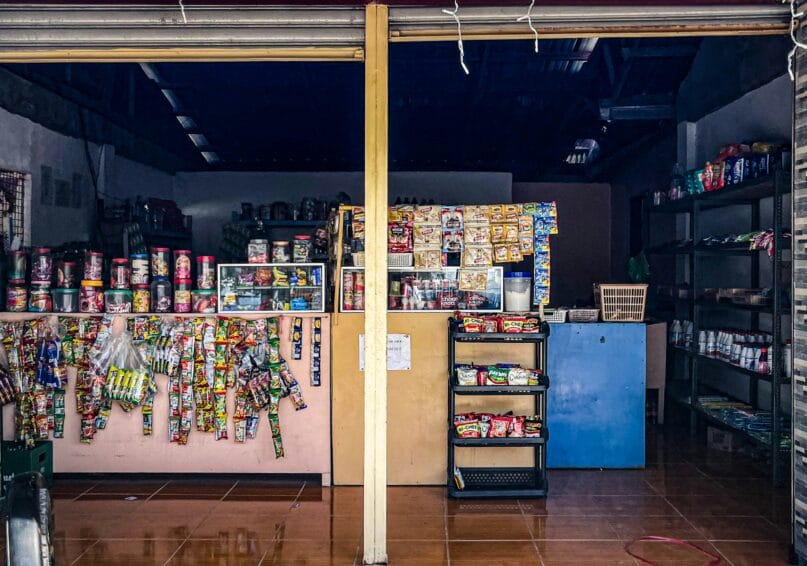
Walk into almost any sari-sari store, tiangge stall, or mall kiosk in the Philippines and you’ll spot it taped near the register: “NO RETURN, NO EXCHANGE,” sometimes printed right on the receipt. Most Filipino shoppers treat it as final — the store said no, so that’s that. Very few know the sign is only enforceable in specific situations, and that ignoring a legitimate defect complaint by pointing at it is something the Department of Trade and Industry (DTI) has publicly and repeatedly called out.
As of September 13, 2026, here’s exactly what the law says, when a store can legally say no, and what to actually do when one says no illegally.
The Short Version: When the Sign Works and When It Doesn’t
| Your Situation | Can the Store Legally Refuse? | Why |
|---|---|---|
| Product is defective, damaged on arrival, expired, or counterfeit | No | The Consumer Act guarantees repair, replacement, or refund (the “3Rs”) for imperfect or defective goods, regardless of any posted sign |
| Item doesn’t match what was advertised or described | No | Same 3Rs protection applies — the seller misrepresented what you were buying |
| Medicine is counterfeit or expired | No | DTI has specifically flagged this as a case sellers must replace, no exceptions |
| You simply changed your mind | Yes | The Consumer Act protects against defects, not buyer’s remorse — the store can legally hold the line here |
| You damaged or misused the item yourself | Yes | The defect has to be the seller’s fault, not something that happened after you took it home |
| It was sold “as-is-where-is” | Yes | You accepted the item’s condition, visible or not, at the time of sale |
| It’s a secondhand or pre-owned item | Yes | Secondhand sales fall outside the standard new-product warranty rules |
Sulit Tip: The single question that decides which row you’re in: is something wrong with the product itself, or did you just decide you don’t want it anymore? Everything else follows from that answer.
Your Actual Legal Basis: The Consumer Act (RA 7394)
The rule doesn’t come from a DTI press release — it’s written into Republic Act No. 7394, the Consumer Act of the Philippines, under its chapter on Consumer Product and Service Warranties. DTI’s own Fair Trade Enforcement Bureau puts it plainly on its published FAQ page: the “No Return, No Exchange” policy is prohibited specifically “so that consumers may exercise their right to 3Rs — repair, replacement, and refund in case the product purchased has imperfection or defect.” The same DTI page is just as clear about the flip side: “If the product purchased has no imperfection or defect, or if not expired or fake, the store may opt not to replace or refund.”
On warranty length specifically, the law sets minimums so a seller can’t dodge the 3Rs by simply not mentioning a warranty at all. Where no separate written warranty is given, an implied warranty still applies for new consumer products — running for not less than sixty (60) days and not more than one (1) year from the date of sale. DTI officials have echoed the same figures publicly: an express warranty period of at least seven days where one is offered (some retailers voluntarily extend this to 90 or even 180 days), and an implied warranty of 60 days up to a year when no warranty card is issued at all.
Heads Up: None of this means every complaint automatically wins. The burden is still on you to show the product actually has a defect the seller is responsible for — not that you regretted the purchase, dropped it, got it wet, or used it the wrong way. Keep your receipt and take photos of the item as soon as you notice a problem; that’s what turns “he said, she said” into a straightforward claim.
Who This Actually Protects
This matters most if you regularly buy from small stores, market stalls, or standalone shops that skip issuing a formal warranty card — exactly where a handwritten “no return no exchange” sign is most likely to appear, and where buyers are least likely to know their rights. It also matters for appliance and electronics purchases specifically, since those are the categories most likely to develop a defect that only shows up after you’ve left the store.
It matters less if what you actually want is a refund because you found the item cheaper elsewhere, or because you no longer like the color. That’s a change of mind, and no Philippine law forces a store to take the item back for that reason — some do anyway as a goodwill policy, but it’s not something you can demand.
Worked Scenario: Your Blender Stops Working After Two Weeks
Say you bought a ₱1,500 blender from a small appliance shop, no formal warranty card, just a receipt with “NO RETURN, NO EXCHANGE” stamped at the bottom. Two weeks later, it won’t turn on at all — no visible damage, no signs you dropped it or misused it.
Here’s how this plays out under the law: since the product is under a year old and shows no sign of misuse, it’s covered by the implied warranty even without a separate warranty card. The stamped receipt doesn’t override that. Your first move is simply going back to the shop with the receipt and the item, and asking for repair, replacement, or refund under RA 7394 — many sellers back down once a customer names the law specifically, since most know they’re on shaky ground. If the shop still refuses, that’s when it escalates to a formal DTI complaint rather than a shouting match at the counter — covered in the next section.
Contrast that with a second version of the same scenario: the blender still works fine, but you decided you wanted a different color. That’s the “changed your mind” row in the table above — the shop is within its rights to say no, sign or no sign.
What to Do If a Store Refuses to Honor Your Rights
If a seller flatly refuses a legitimate defect claim, DTI’s Fair Trade Enforcement Bureau (FTEB) is where the complaint goes. You can file:
- Online, through the DTI Consumer CARe portal at consumercare.dti.gov.ph
- By email, sending a completed complaint form or a written letter to consumercare@dti.gov.ph
- In person, at the FTEB office (Trade and Industry Building, 361 Sen. Gil J. Puyat Ave., Makati City), Monday to Friday, 8:00 AM–5:00 PM
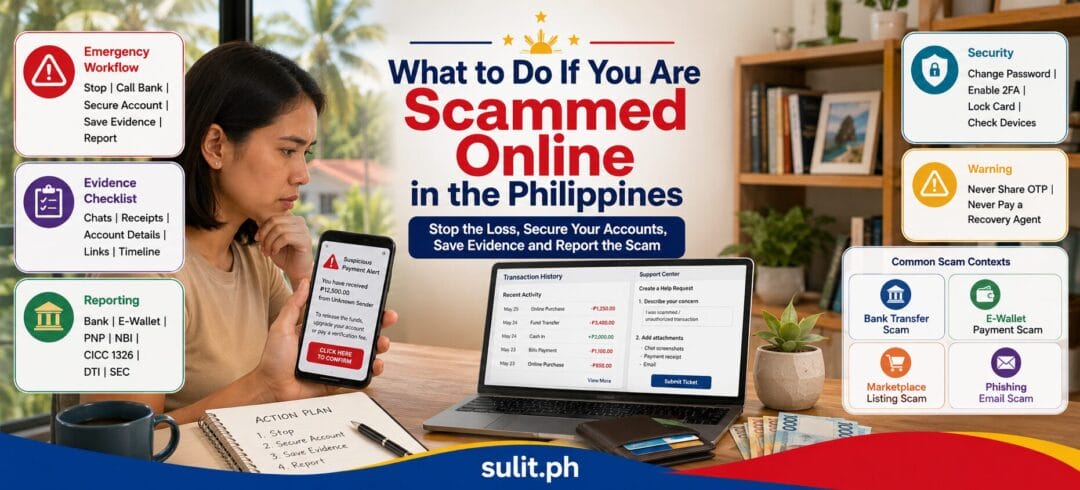
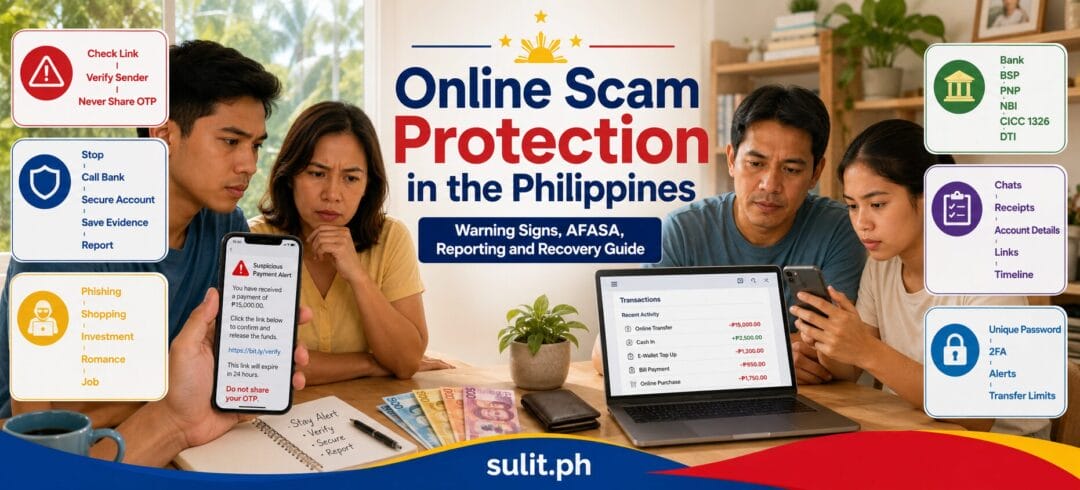
Bring or attach the receipt, photos of the defect, and any messages exchanged with the seller. DTI also maintains provincial and regional offices outside Metro Manila for consumers who can’t travel to Makati.
Good to Know: A DTI complaint isn’t only for big-ticket items. The same 3Rs protection covers a ₱200 kitchen gadget just as much as a ₱20,000 appliance — the process is simply more worth the effort the more expensive the item is.
Does This Apply to Shopee, Lazada, and Online Sellers Too?
Yes, in principle — Philippine consumer protection doesn’t stop applying because the transaction happened through an app. In practice, though, going through DTI is rarely your fastest option for an online purchase: platform-level buyer protection (Shopee’s and Lazada’s own Return/Refund flows, for instance) typically resolves a defective-item dispute in days by holding the seller’s payout until it’s settled, versus weeks for a formal complaint. Save the DTI complaint route for cases where the platform’s own process has already failed you, or where you’re dealing with a seller outside any marketplace’s buyer-protection system altogether — a small standalone online shop taking payment directly via bank transfer or e-wallet, for example.
Also Worth Checking
If the product that broke was under a paid extended warranty rather than just the standard implied one, our extended warranty guide breaks down when that add-on is actually worth paying for. If you’re trying to decide whether a broken appliance is worth fixing at all versus replacing outright, check our repair-or-replace guide. And if your defective purchase happened on Shopee, Lazada, TikTok Shop, or Facebook Marketplace specifically, our buyer protection comparison covers what each platform actually does when a seller won’t cooperate. For more of this kind of value-first breakdown, head back to more sulit finds.
Verified Sources Used
DTI Fair Trade Enforcement Bureau — “Is a ‘No Return, No Exchange’ Policy Allowed?”: Confirmed the 3Rs rule (repair, replacement, refund) for defective products and the specific exceptions where a no-return policy is valid (no defect, change of mind, as-is sales, secondhand goods, buyer misuse).
LawPhil — Republic Act No. 7394, the Consumer Act of the Philippines: Confirmed the law’s Chapter on Consumer Product and Service Warranties as the legal basis for the 3Rs and implied warranty protections.
Philippine Daily Inquirer: Confirmed DTI officials’ public statements (Fair Trade Enforcement Bureau director Marcus Valdez II and Consumer Protection Group Assistant Secretary Ann Claire Cabochan) on minimum express and implied warranty periods, and DTI’s ongoing reminders to traders against blanket no-return policies.
DTI Fair Trade Enforcement Bureau — “How to File a Consumer Complaint”: Confirmed the complaint channels (online portal, email, in-person office), required complaint form, and FTEB office location and hours.