Power Station vs. Generator vs. UPS: What’s Actually Worth Buying for Philippine Brownouts (2026 Guide)
Sulit verdict: For most Metro Manila condo and apartment households, a 500–1000Wh portable power station is the sulit buy — no fuel runs, no noise complaints from the neighbors, and enough juice to keep your router, a couple of fans, and everyone’s phones alive through a typical rotating-brownout block. Add a cheap UPS (roughly ₱2,000) regardless, just to save your PC or modem from a hard shutdown. Skip the gas generator unless you genuinely need to run a full refrigerator, a water pump, or an aircon for hours at a stretch — that’s the only scenario where its bigger output, bigger price tag, and fuel logistics actually pay for themselves.
Here’s why this question is worth answering properly in 2026: on May 14, Meralco reported that more than 320,000 customers across Bulacan, Cavite, Laguna, Metro Manila, Pampanga, Quezon and Rizal lost power in rotating brownouts after the National Grid Corporation of the Philippines (NGCP) declared a red alert over “thinning reserves” on the Luzon grid. It wasn’t a one-off. Grid alerts like this tend to cluster during the hot, high-demand months, and the Philippines’ heavy reliance on imported fuel means generation reserves can get thin with little warning. If you’ve been putting off deciding what backup power gear actually makes sense for your household, this is the guide to work it out properly instead of panic-buying whatever’s trending on Shopee the next time the lights go out.
Why This Keeps Happening: How a Grid Alert Turns Into Your Brownout
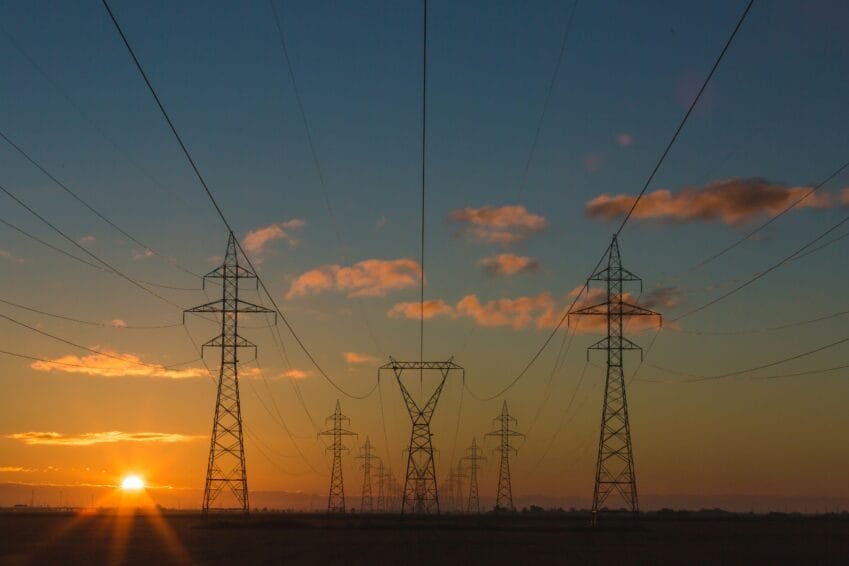
NGCP, the company that operates the Luzon, Visayas, and Mindanao transmission grids, issues color-coded alerts when power plant reserves get too thin to comfortably cover demand. Under a red alert, NGCP can direct distribution utilities like Meralco to implement Manual Load Dropping (MLD) — scheduled, rotating cutoffs by circuit, usually lasting a few hours per affected area, rather than one long outage for everyone at once. Meralco’s own advisory system lists specific time windows and circuit groupings for each red-alert day, which is why your brownout might hit 2:00–5:00 PM while your officemate three barangays over loses power 6:00–9:00 PM instead, per Meralco’s alert-locations page.
Good to Know: A yellow alert means reserves are getting tight but there’s no active load-shedding yet — it’s a heads-up, not a brownout. Only a red alert (or an unplanned plant trip, which can cause an unscheduled outage with no advance notice at all) typically means your circuit actually goes dark.
The practical takeaway: rotating brownouts in Luzon tend to run in the 2-to-4-hour range per circuit, on scheduled dates you can usually check in advance through Meralco’s app or website. That window is exactly what you should be sizing your backup power purchase around — not an indefinite, days-long blackout, which is a different (and much more expensive) problem to solve.
Power Station vs. UPS vs. Generator: What Each One Actually Does
These three get lumped together in shopping searches, but they solve different problems. Here’s the honest breakdown.
| Type | How it works | Typical output | Runtime for light loads | Noise | Best for |
|---|---|---|---|---|---|
| UPS (uninterruptible power supply) | Small internal battery, switches over in milliseconds | ~300–800W | 5–20 minutes | Silent | Safely shutting down a PC, router, or modem — not powering anything for long |
| Portable power station | Larger lithium battery pack, plug-and-use like a giant power bank | ~300–2,600W (varies by model) | 2–8+ hours for small loads (router, fans, lights, phones) | Silent | Bridging a scheduled 2–4 hour rotating brownout for essentials |
| Gasoline/diesel generator | Internal combustion engine turning an alternator | ~1,800W–9,500W+ | As long as you keep feeding it fuel | Loud — not condo-friendly | Running a fridge, water pump, or aircon for many hours; provincial or business use |
Sulit Tip: A power station and a UPS aren’t actually competitors — they solve different time horizons. A lot of sulit households run both: the UPS gives your PC/router the few seconds of grace to shut down cleanly or fail over, while the power station is what actually keeps things running once the brownout settles in for the next few hours.
How Much Power Do Your Appliances Actually Draw?
Before buying anything, check the wattage label on your own devices — it’s usually printed on a sticker near the plug or in the specs sheet. As a rule of thumb, here’s what typical Philippine households are working with:
| Device | Typical running watts | Notes |
|---|---|---|
| WiFi router/modem | ~10–15W | Tiny draw, keep this running first |
| LED bulb | ~8–12W each | Negligible |
| Phone charger | ~10–20W | Negligible |
| Electric stand/wall fan | ~50–75W | Cheaper on power than aircon by a wide margin |
| Laptop | ~45–65W | Check your charger’s rated output |
| 32″ LED TV | ~50–60W | — |
| Single-door refrigerator | ~100–150W running, but spikes 700–1,200W for a second or two when the compressor kicks on | This startup surge is why fridges need a power station or generator rated well above their “running” number |
| Window-type aircon (0.75–1.0 HP) | ~700–1,000W running, 1,500W+ on startup | Most portable power stations under ~₱30,000 can’t sustain this for long — this is generator territory |
Worked Scenario: Sizing a Power Station for a 3-Hour Rotating Brownout
Say your area gets a scheduled 3-hour red-alert brownout, and you want to keep the WiFi router, two electric fans, some LED lighting, and everyone’s phones charging. Add it up: router (15W) + two fans (150W) + three LED bulbs (30W) + two phones charging (30W) ≈ 225W continuous draw.
Multiply that by 3 hours and you need roughly 675 watt-hours (Wh) of stored capacity — and that’s before accounting for the fact that batteries rarely deliver 100% of their rated capacity in real-world use (inverter losses typically eat 10–15%). Round up, and a power station in the 700–1,000Wh class gives you comfortable headroom, plus enough left over to top up a laptop or run things a little longer than planned if the brownout runs late.
Heads Up: If you’re trying to also keep a refrigerator running through that same brownout, the math changes completely — you’re now looking at a unit that can handle the fridge’s startup surge (rated well above 1,200W) sustained for hours, which usually means either a larger, pricier power station (1,500Wh+) or a small generator instead.
Real Prices in the Philippines Right Now (2026)
Prices below were checked directly on each brand’s or retailer’s own Philippine site on September 9, 2026. Prices on all of these change with sales and stock, so treat this as a starting point, not a locked-in quote.
| Product | Capacity/Output | Price (PHP) | Source |
|---|---|---|---|
| APC Back-UPS BX650LI-MS | 650VA / 325W | ₱2,150 | EasyPC.com.ph |
| Anker SOLIX C300 DC | 288Wh | ₱12,990 | Anker Philippines (anker.ph) |
| Anker SOLIX C300 AC | 288Wh | ₱15,990 | Anker Philippines (anker.ph) |
| Anker SOLIX C1000 Gen 2 | ~1,056Wh | ₱47,990 | Anker Philippines (anker.ph) |
| Anker SOLIX C2000 Gen 2 | ~2,048Wh | ₱61,990 | Anker Philippines (anker.ph) |
| Powerhouse Energie Recoil Start | 1.8KW | ₱14,500 | Powerhouse Tools PH (powerhouse.com.ph) |
| Powerhouse Energie Recoil Start | 4.5KW | ₱19,500 | Powerhouse Tools PH (powerhouse.com.ph) |
| Powerhouse Energie Smart Inverter | 2.0KW | ₱26,500 | Powerhouse Tools PH (powerhouse.com.ph) |
| Powerhouse Energie Smart Inverter | 9.5KW | ₱64,000 | Powerhouse Tools PH (powerhouse.com.ph) |
Sulit Tip: Other well-known power station brands — EcoFlow, Jackery, BLUETTI, UGREEN — are also sold in the Philippines through official resellers and Lazada/Shopee flagship stores, generally in a similar price band per Wh to the Anker units above. Because these prices shift constantly with flash sales and 9.9/10.10/11.11 promos, pull up the actual live listing before you decide rather than shopping off a number from any single guide, including this one.
When a Generator Actually Earns Its Price
A gas or diesel generator makes sense when your outage math looks nothing like the 3-hour scenario above — specifically:
You’re running a sari-sari store, carinderia, or small business with a chest freezer or multiple refrigeration units that can’t afford hours of downtime. You live somewhere with genuinely long outages — unscheduled outages in typhoon-prone or less-developed grid areas can run well past what any consumer power station is built to cover. You need to run a deep well water pump, which draws far more startup current than most household appliances. Or you specifically need an aircon running for hours, not just fans — at that wattage, a power station large enough to do the job costs more than a mid-range generator anyway.
Heads Up: Generators produce carbon monoxide and must never run indoors, in a garage with the door down, or right next to a window or air intake — this is the single most important safety rule and it is not optional. Keep it outdoors, away from doors and windows, on a level surface, and never refuel it while it’s running or still hot.
Where Backup Power Isn’t Worth Buying
Skip it — or at least skip the bigger purchase — if any of these describe you. You’re renting a condo unit under a building policy that bans gas generators on balconies or common areas (most Metro Manila condo corporations do, for fire-safety reasons, and a portable power station is usually the only backup option they’ll allow). Your area rarely experiences brownouts and you’d be buying insurance against a problem you don’t actually have. You’re planning to move within the year and don’t want to haul a heavy appliance along. Or your real problem is a handful of unscheduled, short outages — in that case, a ₱2,000 UPS to protect your electronics from surge damage and abrupt shutdowns solves 90% of the actual pain point far more cheaply than a full power station.
Buying Safely: Warranty and Fake-Listing Red Flags
Backup power gear is exactly the category where gray-market imports and lookalike listings thrive, because buyers are shopping under pressure (“the brownout is tonight”) instead of comparing carefully. Before you check out: confirm the listing is the brand’s official flagship store or an authorized reseller — not a generic seller using the brand name and logo without being an authorized partner. A locally authorized unit gets local warranty service; a gray-market import usually voids the manufacturer’s warranty the moment something needs repair, and you’ll be shipping it overseas at your own cost if it fails. Compare the seller’s price against the brand’s own official PH site (like the ones in the pricing table above) — a “too good to be true” price during a flash sale on an off-brand listing is the classic setup for a counterfeit or a unit with a fabricated capacity rating. Keep your receipt, warranty card, and any SMS/email order confirmation; for how much a paid extended warranty is actually worth on top of that, see our breakdown linked below.
Also Worth Checking
If you’re weighing backup power against other ways to deal with unreliable supply and rising electricity costs, our solar panel installation guide covers the bigger, more permanent investment case. Pair either option with our inverter vs. non-inverter aircon breakdown to cut how much power you need to back up in the first place. And before you buy any big-ticket backup unit, our extended warranty guide explains when the paid add-on plan is actually worth it versus the free warranty you already have by law.
Verified Sources Used
GMA News Online: Confirmed the May 14, 2026 NGCP red alert and Meralco’s report of more than 320,000 affected customers across Bulacan, Cavite, Laguna, Metro Manila, Pampanga, Quezon and Rizal.
Meralco: Confirmed how red-alert Manual Load Dropping schedules and circuit-based rotating brownout windows work.
Anker Philippines: Confirmed current PHP pricing for the Anker SOLIX C300 DC, C300 AC, C1000 Gen 2 and C2000 Gen 2 power stations as of September 9, 2026.
EasyPC.com.ph: Confirmed current PHP pricing for the APC Back-UPS BX650LI-MS.
Powerhouse Tools Philippines: Confirmed current PHP pricing and wattage ratings for the Energie series gasoline generators.